
Impact Window Upgrades: What to Know About Impact Ratings, Frames, and Installation
Windows bring daylight into a home, but they also face wind, rain, and airborne debris during severe storms. An impact window upgrade can strengthen vulnerable openings while improving everyday comfort. Homeowners should understand how ratings, frame materials, glass, and installation methods work together. That means separating verified performance from broad marketing claims.
Understand What Impact Ratings Measure
The term “impact-resistant” describes windows tested to withstand specified debris impacts and subsequent pressure changes. It does not mean the glass can never crack or that a window is guaranteed to survive every storm. In many approved systems, laminated glass may break on impact while its interlayer helps hold the fragments together and keeps the opening from being breached.
According to Climate Central’s March 2026 report, the United States recorded 23 billion-dollar weather and climate disasters in 2025, which claimed 276 lives and caused approximately $115 billion in damages. These figures cover multiple types of disasters, not just hurricanes. Still, they underscore why homeowners should consider the specific weather hazards around their property instead of relying on broad promises of “stormproof” protection.
The product should be evaluated as a complete assembly, including glass, frame, hardware, and anchors. A strong glass panel alone cannot compensate for a weak frame or improper installation.
Review Testing Standards and Local Building Requirements
Product labels can look technical, but a few details matter most. ASTM E1886 outlines a method for testing assemblies with simulated windborne debris followed by repeated positive and negative pressure. ASTM E1996 specifies performance requirements and test conditions for hurricane-prone areas. These standards are more useful than advertising claims tied to hurricane categories.
In Florida, homeowners should also verify that a product has the appropriate approval for its intended location and use. Depending on the jurisdiction, documentation may include a Florida product approval or a Miami-Dade Notice of Acceptance. Local conditions determine which approvals and design pressures apply. Request the approval paperwork, since permitted glass options, mullion connections, and opening sizes can differ between models.
Before selecting an impact window, ask about the approval number, design pressures, size limits, and installation details. The correct product for a sheltered opening may not be suitable for a larger window exposed to stronger wind loads.
Compare Frame Materials for Your Climate
Frame selection affects appearance, upkeep, insulation, and strength. Aluminum is often chosen for its rigidity and ability to support certain large openings. However, because metal readily transfers heat, aluminum systems benefit from thermal breaks when energy performance is a priority. Coastal exposure makes corrosion resistance important.
Vinyl frames require little refinishing and offer good insulation. Their suitability depends on product design, opening dimensions, and approval conditions, especially where strong sun and high winds place demands on the assembly. Composite materials are another possibility, although their composition and maintenance requirements vary among manufacturers.
Wood complements traditional architecture but needs protection from moisture. Compare approved frames that match the home's design and exposure.
An impact window needs a well-matched frame. A professional can assess which material fits the opening and meets code.
Understand Laminated Glass and Insulated Glazing
Many impact-resistant products use laminated glass: two or more sheets bonded around a resilient interlayer. If the glass fractures, the interlayer can retain broken pieces and help resist penetration. Tempered glass, by contrast, is designed to break into relatively small pieces; tempered glass alone should not be mistaken for a tested impact-resistant assembly.
Insulated glazing serves a different purpose. Two panes separated by a sealed space can reduce heat transfer, and some products combine insulated glazing with laminated impact-resistant components. The exact construction matters. More panes do not automatically mean better impact protection.
For better everyday comfort, review National Fenestration Rating Council ratings. U-factor describes how readily heat passes through the window; lower values generally indicate better insulation. Solar heat gain coefficient, or SHGC, describes how much solar heat enters. In sunny Florida, solar-control glazing may reduce heat gain, depending on orientation and shading.
Match Window Styles to Your Home
Storm protection need not compromise a home's character. Fixed, single-hung, casement, and sliding designs may be available in impact-resistant configurations, but their approved sizes and performance limits differ. Some styles work better for ventilation, while others prioritize an unobstructed view or ease of operation.
Begin by examining how each room is used. Bedrooms may have emergency escape and rescue opening requirements. Kitchens and living areas might benefit from easy-to-operate sashes, while large picture windows can emphasize natural light. Also consider cleaning access, screens, privacy, and appearance.
Choosing an impact window solely because it fits the opening is not enough. Confirm that its size, operating style, and approved installation method suit the property. Careful measurements can prevent changes after work begins.
Why Proper Installation Makes a Difference
Even tested products can underperform when installed incorrectly. The installer must assess the surrounding wall, existing framing, and any damage or moisture problems before securing the replacement. Fastener types, spacing, embedment, and attachment points need to follow the applicable approved drawings and local requirements.
Water management deserves equal attention. Flashing, sealants, and drainage details direct rain away from vulnerable materials. Simply filling gaps with caulk cannot correct a poorly prepared opening or substitute for a compliant anchoring system.
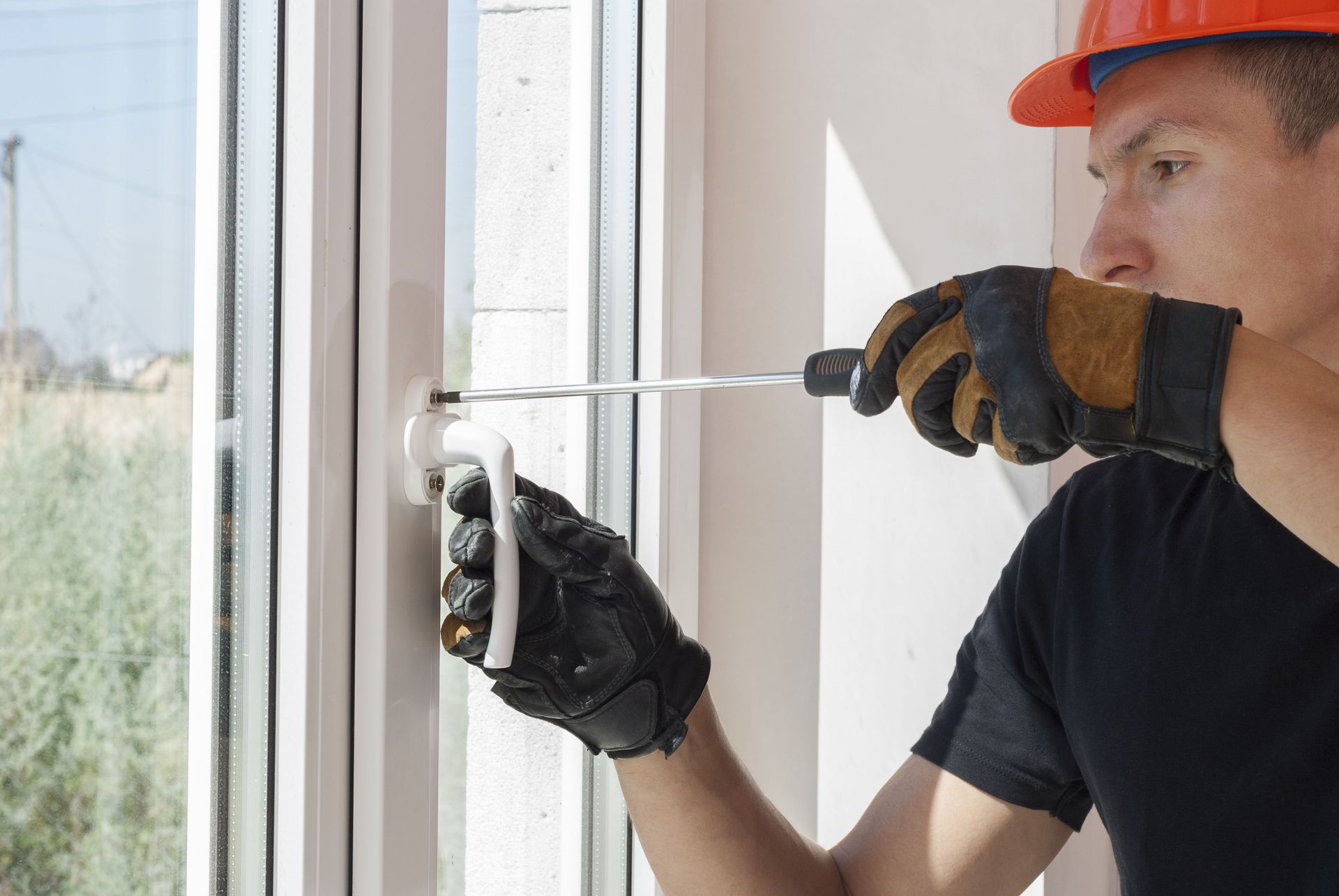
Homeowners considering an impact window installation should ask who will obtain permits, whether inspections are required, and how the crew will protect interior finishes. They should request product documents and clarify workmanship and manufacturer warranties. These answers make proposals easier to compare.
Prepare for the Replacement Process
A typical replacement begins with measurements and selection of an approved product. Once the required materials and permits are ready, the crew removes the existing unit, checks the opening, installs the new frame and glazing, and completes the specified sealing and finishing work. The sequence depends on the building and window system.
Before installation day, homeowners can move furniture, remove nearby window treatments, and provide a clear path for workers. Ask about debris removal and temporary protection if an opening cannot be finished.
Afterward, each impact window should open, close, and lock properly. Homeowners can check for visible gaps, damaged finishes, or difficulty operating the sash and raise concerns before the final walkthrough. Keep inspection records and approval documents.
Maintain Protection Over Time
Impact-resistant windows are designed for durability, but they still need routine care. Rinse away salt and dirt according to the manufacturer's instructions, keep tracks and drainage openings clear, and inspect weatherstripping for wear. Use only cleaning products and lubricants approved for the frame and hardware. Keep the manufacturer's care instructions available for future service.
After a strong storm, look for cracked glass, loosened hardware, damaged seals, or changes in how a window operates. Do not assume that a cracked laminated pane is still suitable for continued use. A qualified professional should evaluate damage and recommend repair or replacement consistent with the product's approval.
A good upgrade offers more than storm preparation. Depending on the product, homeowners may notice less noise and fewer drafts. The greatest value comes from selecting the right system and maintaining it properly.
Plan an Upgrade With Confidence
An
impact window project succeeds when ratings, frames, glazing, and installation are considered together. Homeowners in Sarasota and Manatee counties can contact Quality Screening, Window & Door to discuss replacement options, review their property's needs, and request guidance on an appropriate installation plan.


Share On: