
The Ultimate Guide to Installing a Glass Enclosure Around Your Pool
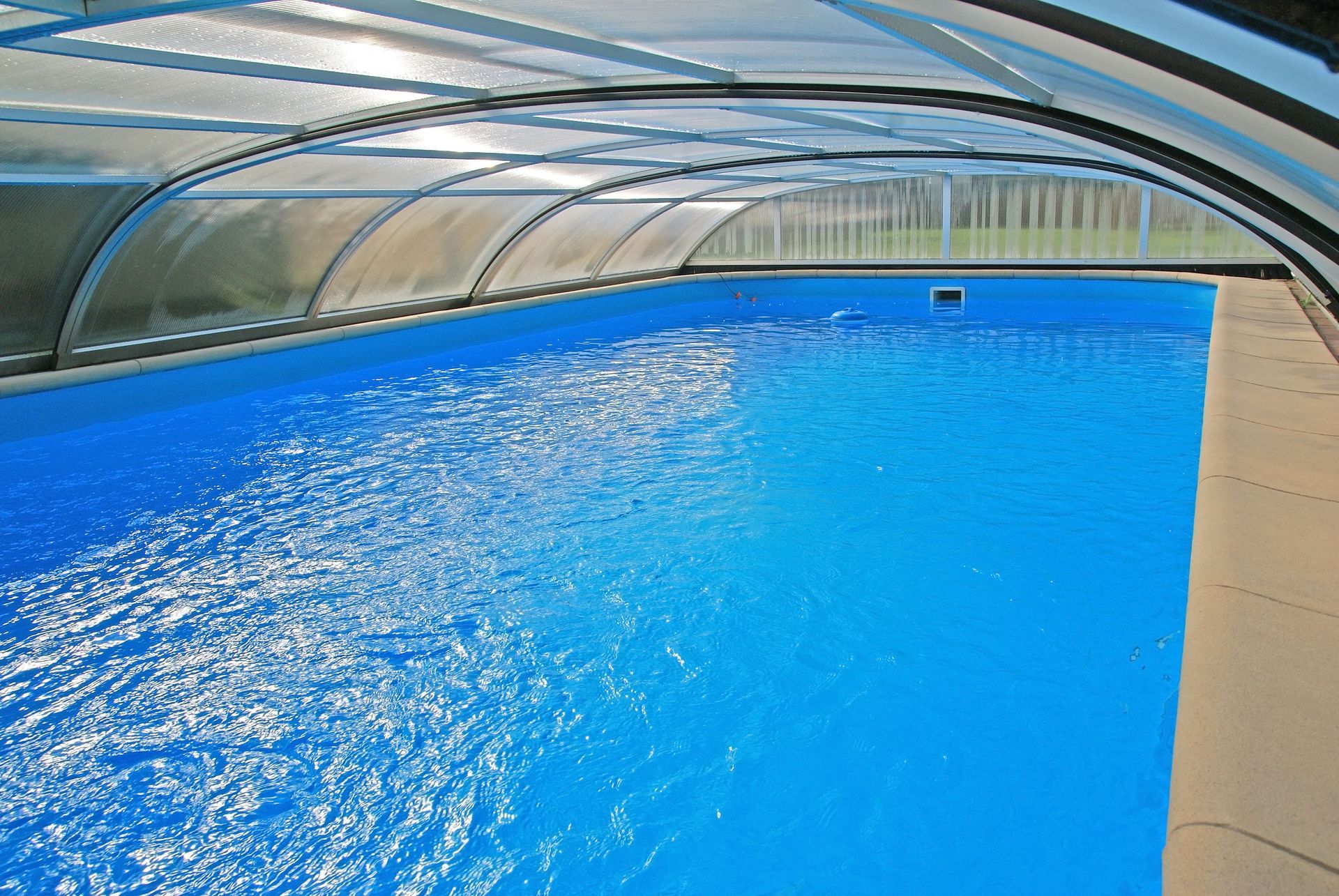
A backyard swimming pool offers relaxation, recreation, and relief from the summer heat, yet maintaining that personal oasis often requires constant effort. Installing a custom glass enclosure around your swimming pool transforms your outdoor space into an elegant, protected sanctuary that you can enjoy throughout every season. While the prospect of a poolside upgrade is exciting, designing and constructing a durable, weather-resistant structure requires specialized engineering, strict code compliance, and professional craftsmanship.
Understanding the Key Advantages of a Swimming Pool Structure
Homeowners frequently search for ways to maximize their outdoor living areas while minimizing the relentless chores of pool maintenance. A premium glass enclosure provides an exceptional barrier against organic debris, insects, and harsh weather conditions, which substantially reduces the hours spent vacuuming leaves or balancing water chemistry. Unlike standard mesh netting, architectural glass panels also create an effective thermal buffer that helps regulate ambient water temperatures, potentially extending your swimming season by several months each year.
Safety is another vital consideration for families with small children, curious pets, or neighborhood visitors. Unsupervised pool access presents serious risks, and building a fully enclosed perimeter adds a robust physical barrier that traditional perimeter fencing cannot easily match. High-grade impact glass panels, reinforced aluminum framing, and secure access entryways prevent unauthorized entry while preserving expansive, crystal-clear views of your surrounding landscape.
In storm-prone regions, structural resilience is paramount when upgrading your outdoor living space. Engineered enclosures designed with heavy-duty frames and laminated glass withstand high winds, flying debris, and intense tropical downpours. By shielding your patio furnishings, pool equipment, and decking surfaces from relentless ultraviolet radiation and storm damage, a well-engineered glass enclosure safeguards your property value and elevates your everyday comfort.
Exploring the Structural Styles and Design Configurations
Every residential property features unique architectural lines, yard dimensions, and structural layouts that influence your design choices. Custom architectural structures generally fall into three primary design categories:
- Attached Lanai Extensions: These structures connect directly to the existing exterior walls or roofline of your home. By extending your indoor living area seamlessly onto the pool deck, an attached configuration creates a smooth transition between interior living rooms, kitchens, and the water.
- Freestanding Conservatories: Positioned away from the primary residence, freestanding designs enclose isolated swimming pools, spas, or garden pavilions. These standalone structures require independent foundational footings, perimeter drainage channels, and self-supporting framing systems.
- Mansard and Gable Roof Configurations: Roof architecture dictates interior volume, airflow, and aesthetics. Mansard roofs feature sloping sides with a flat top, maximizing interior headspace, whereas gable roofs utilize two sloping sides that meet at a central ridge, offering superior shedding of rainwater and falling foliage.
Selecting the appropriate configuration demands careful spatial planning and precise measurements. According to Home Advisor, typical screened pool structures encompass approximately 700 square feet, though larger installations spanning 800 square feet or more are increasingly popular among modern homeowners. Accommodating such generous footprints requires meticulous structural planning to guarantee that wind resistance, weight distribution, and aesthetic proportions remain perfectly balanced across the entire installation.
Selecting the Right Impact Materials and Entryways
The durability and performance of your pool installation depend heavily on the materials incorporated into its framing, glazing, and entryways. Professional installers prioritize heavy-gauge structural aluminum framing because it resists rust, corrosion, rot, and salt air degradation far better than alternative metals or untreated timber. Powder-coated aluminum finishes also retain their vibrant appearance across decades of exposure to harsh sunlight and pool sanitizing chemicals.
Glazing selection requires an equal level of technical scrutiny to ensure safety and efficiency:
- Laminated Impact Glass: Composed of two glass sheets bonded by a clear polyvinyl butyral interlayer, laminated glass remains intact even when struck by airborne debris during extreme weather events.
- Tempered Safety Glass: Heat-treated for heightened strength, tempered glass resists blunt impacts and thermal stress, fracturing into tiny, blunt pebbles rather than hazardous shards if broken.
- Low-Emissivity Coatings: Microscopic metallic coatings reflect radiant infrared heat while transmitting visible natural light, reducing heat transfer into the swimming area by 12% to 28% and keeping ambient temperatures comfortable.
Entry doors must also integrate seamlessly with the enclosure while maintaining maximum storm protection. Homeowners typically incorporate impact-resistant doors, such as multi-panel sliding glass doors, French doors, or heavy-duty hurricane doors that seal tightly against driving rain and forceful gusts. Installing top-tier hurricane doors ensures effortless foot traffic between your indoor living spaces and your swimming pool while preserving structural integrity.
Navigating Local Building Codes and Permitting Standards
Erecting a major glass structure adjacent to a swimming pool involves far more than simply assembling framing materials on top of concrete. Municipalities enforce rigorous residential building codes that govern structural setbacks, wind-load ratings, foundation load capacities, and child-safety barrier compliance. Obtaining the necessary municipal permits requires detailed engineering blueprints, precise site plans, and stamped architectural calculations certified by licensed structural engineers.
Furthermore, coastal regions often mandate compliance with stringent High Velocity Hurricane Zone standards. These regulations dictate specific design pressures, glass thickness thresholds, anchoring bolt depths, and fastener spacing intervals. Attempting to navigate zoning regulations, submit municipal applications, and coordinate mandatory stage inspections without licensed professionals can result in costly project delays, heavy municipal fines, or mandated structural teardowns.
Recognizing Why Professional Execution Remains Essential
Given the availability of online video tutorials, some ambitious property owners mistakenly contemplate undertaking large-scale exterior installations themselves. However, assembling a structural glass enclosure around a swimming pool is definitely not an amateur weekend project. Handling heavy structural glass panels without industrial lifting machinery poses tremendous personal safety risks, while improper installation can cause spontaneous panel shatter, catastrophic structural collapse, or permanent water intrusion into your foundation.
Professional installation teams bring indispensable advantages to every stage of your project:
- Precision Laser Measurement: Experienced technicians use laser surveying tools to map concrete deck elevations, accounting for slope deviations as small as one-eighth of an inch to eliminate structural sagging.
- Proper Anchor Setting: Securing heavy structural posts requires commercial diamond drilling into the concrete slab and setting industrial-grade anchors at precise engineering angles to counter wind uplift forces.
- Advanced Weatherproofing: Certified specialists apply commercial silicone caulking and structural gaskets to create watertight seals that resist deterioration from rain, humidity, and swimming pool chemicals.
- Manufacturer Warranty Protection: Top window and door manufacturers require certified installation to validate product warranties, ensuring that your long-term investment remains fully protected against component defects.
Entrusting your project to licensed, insured contractors guarantees that every beam, pane, and seal satisfies strict local building standards. Professional crews possess the specialized rigging equipment, crane hoists, and field training needed to complete the installation safely, smoothly, and efficiently.
Maintaining Your Enclosed Pool Area for Lasting Performance
Once certified technicians complete your custom installation, routine maintenance ensures your new enclosure retains its structural beauty and crystal-clear visibility for decades. Because the sealed environment drastically reduces external debris, homeowners spend significantly fewer hours skimming water, cleaning deck pavers, or emptying skimmer baskets.
A straightforward care regimen keeps all components operating at peak performance:
- Washing Glass Surfaces: Clean the interior and exterior glass panels twice every year using soft microfiber sponges, mild non-abrasive dish soap, and clean water to remove accumulated dust and water spots.
- Clearing Sliding Tracks: Inspect and vacuum sliding door tracks every two months to eliminate trapped sand or dirt, ensuring that door rollers glide smoothly without friction or resistance.
- Inspecting Silicone Seals: Conduct a visual check of structural caulking along the base perimeter every six months to verify that expansion joints remain pliable, continuous, and fully intact.
- Rinsing Aluminum Framework: Hose down exterior aluminum framing once every three months with fresh water to prevent mineral accumulation and preserve the powder-coated protective barrier.
Investing in high-performance materials and professional workmanship allows you to spend less time laboring over pool maintenance and more time enjoying serene aquatic views. A thoughtfully engineered glass enclosure delivers lasting protection, year-round comfort, and remarkable architectural elegance for your property. Whether you want to upgrade your lanai enclosure, install impact windows, or add heavy-duty hurricane doors to your patio entrance, partnering with an experienced contractor ensures lasting safety, refined style, and true peace of mind. For exceptional craftsmanship, state-licensed service, and trusted hurricane-resistant solutions across Sarasota and Manatee counties, contact the dedicated team at Quality Screening, Window & Door.

Share On: