
7 Factors to Consider When Choosing an Exterior Door
Selecting the right entryway for your property is a significant decision that impacts security, energy efficiency, and curb appeal. Exterior doors serve as the primary transition point between your indoor space and the outside world, making durability and design equally essential. By carefully evaluating key structural and aesthetic elements, you can find the perfect fit for your specific building needs.
1. Evaluating Material Strength and Durability
The material you select directly affects how well your entryway withstands daily use, weather exposure, and security risks. Wood offers a classic look with natural insulation, though it requires routine maintenance such as periodic staining or sealing to prevent warping, splitting, and moisture damage over time. Steel provides maximum protection and structural stability against forced entry, making it an excellent choice for security-conscious property owners seeking durable, low-maintenance defense.
Fiberglass mimics the rich texture and grain of natural wood while offering superior resistance to denting, rusting, scratching, and rotting, even under extreme temperature fluctuations. Aluminum options deliver exceptional weather defense, particularly in regions prone to severe coastal storms, heavy rainfall, and high humidity, as the metal naturally resists corrosion. Additionally, newer composite materials blend synthetic fibers with wood components to maximize structural rigidity without sacrificing aesthetic flexibility. Weighing long-term maintenance requirements, weather exposure, and structural performance against initial material costs ensures you pick an option that aligns perfectly with your operational budget and building architecture.
2. Optimizing Thermal Insulation and Energy Efficiency
A high-performing entryway actively prevents heat transfer, helping maintain stable indoor temperatures and lower utility bills throughout the year. Look for options engineered with polyurethane foam cores, high-performance weatherstripping, and thermal breaks that seal out drafts and moisture. Glass inserts should feature double- or triple-pane tempered glass with low-emissivity coatings to reflect heat while admitting natural light. Proper insulation not only lowers heating and cooling expenses but also reduces strain on your interior HVAC systems.
Checking energy ratings and structural sealing standards gives you clear insight into a product's long-term energy savings. Advanced frame materials with integrated thermal breaks further block heat transfer across the entire entryway assembly, preventing exterior temperature extremes from penetrating the interior perimeter. Selecting energy-efficient designs certified by recognized testing bodies provides measurable performance data and long-term financial returns on your facility upgrades. Ultimately, prioritizing thermal efficiency creates a more comfortable interior environment for occupants while reducing long-term energy expenditures across every season.
3. Prioritizing Structural Security and Locking Mechanisms
Your entrance is a core line of defense for protecting people, inventory, and physical assets. Upgrading to exterior doors with reinforced core construction, heavy-duty strike plates, and multi-point locking systems significantly reduces vulnerability to break-ins. Solid core construction prevents physical breaching, while heavy-gauge steel or composite frames keep the entire unit securely anchored to the building structure. Integrating smart locks, commercial deadbolts, or keyless access control systems provides convenient monitoring without compromising physical strength. Investing in robust locking hardware ensures complete peace of mind for residential and commercial properties alike.
Beyond the locking mechanism itself, the surrounding frame requires equal reinforcement, as weak jambs can split under force even if the lock holds. High-security hinge pins that resist removal from the exterior offer an extra layer of structural defense against forced entry attempts. Upgrading to heavy-duty security hardware deters unauthorized entry, lowers property risk, and often leads to reduced insurance premiums for home and business owners. Ultimately, combining a solid door core with advanced perimeter hardware establishes an unyielding defense that protects your facility, occupants, and high-value assets around the clock.
4. Assessing Architectural Style and Aesthetic Appeal
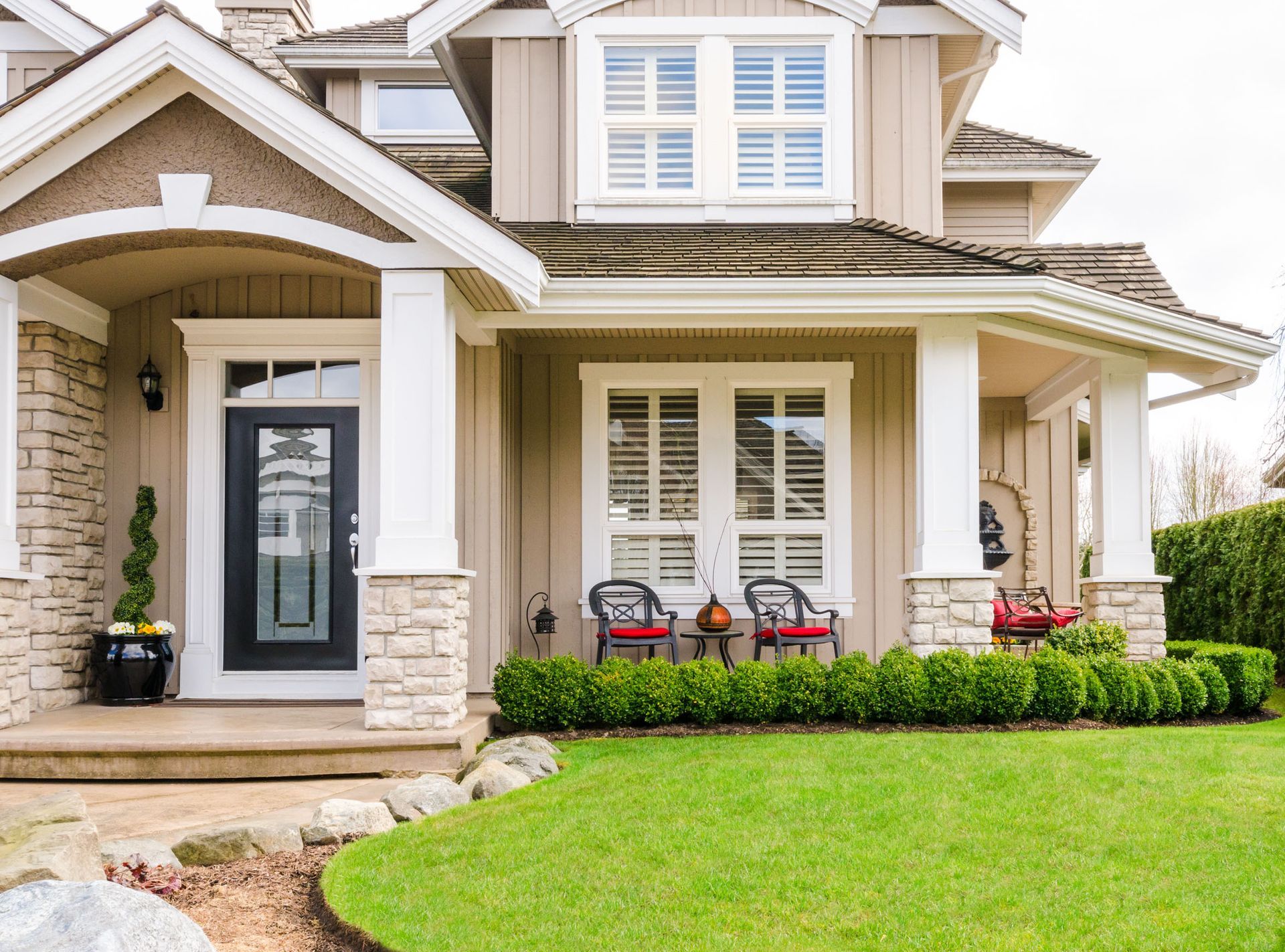
The design of your front entryway establishes the overall visual character of your building and creates an inviting first impression. Consider architectural harmony, color palettes, and panel configurations when comparing potential exterior doors for your main entrance. Modern properties often benefit from clean lines, dark finishes, and full-length glass panes, whereas traditional structures align well with raised panels and decorative glass inserts. Custom paint finishes, decorative side lights, and elevated transom windows can transform a basic door opening into a striking architectural feature.
Choosing a style that complements surrounding siding, brickwork, and window trim enhances overall visual value. Selecting hardware finishes like brushed brass, matte black, or polished chrome serves as a subtle detail that unifies exterior light fixtures and entry accents. Paying close attention to scale and proportion ensures that your main entry anchors the front elevation without overpowering adjacent windows or structural detailing. Ultimately, a thoughtfully styled doorway integrates form and function, increasing overall curb appeal and driving property value.
5. Selecting Impact Resistance and Severe Weather Protection
Property owners in coastal or storm-prone environments must prioritize impact resistance to safeguard against heavy winds, driving rain, and flying debris. Heavy-duty hurricane impact models feature laminated safety glass and reinforced frames designed to maintain structural integrity under extreme pressure. Standard glass panes can easily shatter during severe weather, exposing interior spaces to destructive winds and water intrusion. Impact-rated units eliminate the need for unsightly exterior shutters while providing continuous, year-round storm defense and enhanced sound insulation.
Choosing weather-certified materials protects your real estate investment from costly storm damage. Exterior doors built with impact resistance in mind incorporate multi-layer glass interlayers that hold together even when cracked, preventing air pressure shifts that could compromise a building's entire roof structure during high-wind events. Heavy-duty hardware, reinforced hinges, and heavy-gauge framing work together to keep the doorway securely anchored during major weather events. By investing in tested impact performance, you gain reliable storm defense, improved intruder deterrence, and lower property insurance premiums.
6. Balancing Natural Light and Privacy Requirements
Incorporating glass elements into your doorway allows natural sunlight to illuminate interior entryways and reception spaces, creating an open and welcoming atmosphere. However, balancing daylighting goals with privacy concerns requires thoughtful glass selection. Frosted, textured, or tinted privacy glass lets in light while obscuring interior views from passersby. For high-security or private spaces, solid panels or minimal high-transom glass inserts offer maximum privacy without sacrificing visual appeal. Evaluating light requirements alongside security concerns ensures your exterior doors meet daily functional needs.
Smart glass technology offers an innovative solution, switching electronically from clear to opaque with the touch of a button to deliver dynamic, on-demand privacy. Decorative leaded or stained glass inserts can introduce artistic flair and rich texture while simultaneously obscuring direct line-of-sight views from the exterior street. Carefully harmonizing light transmission with sightline control creates a bright, functional entrance that preserves full interior confidentiality.
7. Planning Professional Installation and Alignment
Even the highest quality entry products will fail to perform if they are improperly installed or poorly aligned within the frame. Precise measurements, proper squaring, and tight weatherstripping seals are necessary to eliminate air leaks and prevent binding over time. According to HomeAdvisor, an experienced door professional can install a replacement door in 2 to 4 hours, including mounting the slab, adjusting the fit, and adding hinges, knobs, and weatherstripping. Professional installation guarantees that all multi-point locks, frame anchors, and threshold seals function smoothly from day one. Working with qualified installation specialists saves time and ensures manufacturer warranty compliance.
Selecting the right doorway requires balancing durability, security, thermal efficiency, and overall visual design. By evaluating these key factors, you can upgrade your property with complete confidence. For expert assistance with replacement windows, exterior doors, specialized screen enclosures, impact-resistant products, and professional door replacement, trust the experienced team at Quality Screening, Window & Door.

Share On: