
How Hurricane Windows Block Loud Highway and Street Noise
Living near a busy highway, heavily traveled road, or active neighborhood can make it difficult to enjoy a peaceful home. Traffic, engine noise, car horns, and passing emergency vehicles can disrupt conversations, interfere with sleep, and make indoor spaces less comfortable. Although homeowners may assume that outdoor noise is unavoidable, upgrading their windows can make a noticeable difference. Hurricane windows are designed to withstand severe weather, but their construction can also help reduce unwanted noise from nearby streets and highways.
Understanding How Outside Noise Enters the Home
Sound travels through vibrations in the air, which can pass through windows, doors, walls, and other parts of a building. Because windows often provide less sound insulation than exterior walls, they can become significant pathways for outdoor noise. This is particularly noticeable in homes located near highways, busy intersections, commercial districts, or streets with frequent vehicle traffic.
Common sources of disruptive outdoor noise include:
- Highway Traffic: Continuous engine sounds, tire noise, and the presence of large commercial vehicles can create persistent background noise.
- Street Traffic: Accelerating vehicles, braking, car horns, and motorcycles can produce sudden bursts of noise.
- Emergency Vehicles: Ambulances, police cars, and fire trucks can create particularly loud sounds as they travel through residential areas.
- Neighborhood Activity: Landscaping equipment, construction projects, and nearby businesses can contribute to ongoing outdoor noise.
Older windows may allow more sound to enter because of worn weatherstripping, loose frames, deteriorating seals, or single-pane glass. Even relatively small gaps around a window can provide an easy path for sound waves to travel indoors. Replacing outdated windows with properly installed hurricane windows can help address these weaknesses while providing additional protection against severe weather.
Exploring How Laminated Glass Reduces Sound Transmission
One of the most important features of many impact-resistant windows is laminated glass. This construction typically consists of two panes of glass bonded together with a durable plastic interlayer, commonly made from polyvinyl butyral (PVB). The interlayer helps hold the glass together when it is struck, reducing the likelihood that shattered pieces will separate and enter the home.
This layered construction can also help reduce sound transmission. When outside noise reaches the glass, vibrations travel through the window assembly. The laminated interlayer helps dampen some of these vibrations, limiting the amount of sound that passes through the window.
This is particularly beneficial for homeowners who experience frequent traffic noise. Rather than allowing every passing vehicle to become an indoor disturbance, laminated glass can help create a quieter interior environment.
The actual amount of noise reduction depends on several factors, including glass thickness, interlayer composition, window construction, and installation quality. Not every impact-resistant window provides the same acoustic performance, so homeowners should discuss sound-reduction expectations when comparing products.
Examining How Multiple Glass Layers Improve Noise Control
Glass thickness and construction play important roles in determining how effectively a window limits outside noise. Traditional single-pane windows provide relatively little separation between indoor and outdoor environments. By comparison, laminated and insulated glass assemblies introduce additional materials and layers that can help reduce sound transmission.
Some window systems use insulated glass units with two separate panes separated by an air- or gas-filled space. This space creates another barrier that can help limit the movement of sound vibrations.
Different glass thicknesses can also improve acoustic performance because they respond differently to sound frequencies. When properly designed, these combinations can help reduce a broader range of everyday noise, including lower-frequency highway sounds and higher-pitched noises from passing vehicles.
Homeowners comparing hurricane windows should consider more than their ability to withstand wind and flying debris. Asking about laminated glass, insulated construction, and available acoustic ratings can help identify products that provide both storm protection and improved indoor comfort.
Improving Window Seals to Prevent Outside Noise
Even high-quality glass cannot perform as effectively when air and sound can move freely through gaps around the window frame. Proper sealing is essential for reducing noise transmission and maintaining a comfortable indoor environment.
Older windows may develop problems over time as weatherstripping wears down, caulking deteriorates, and frames shift. These conditions can create openings that allow outdoor sounds to enter the home. They may also contribute to drafts, moisture intrusion, and reduced energy efficiency.
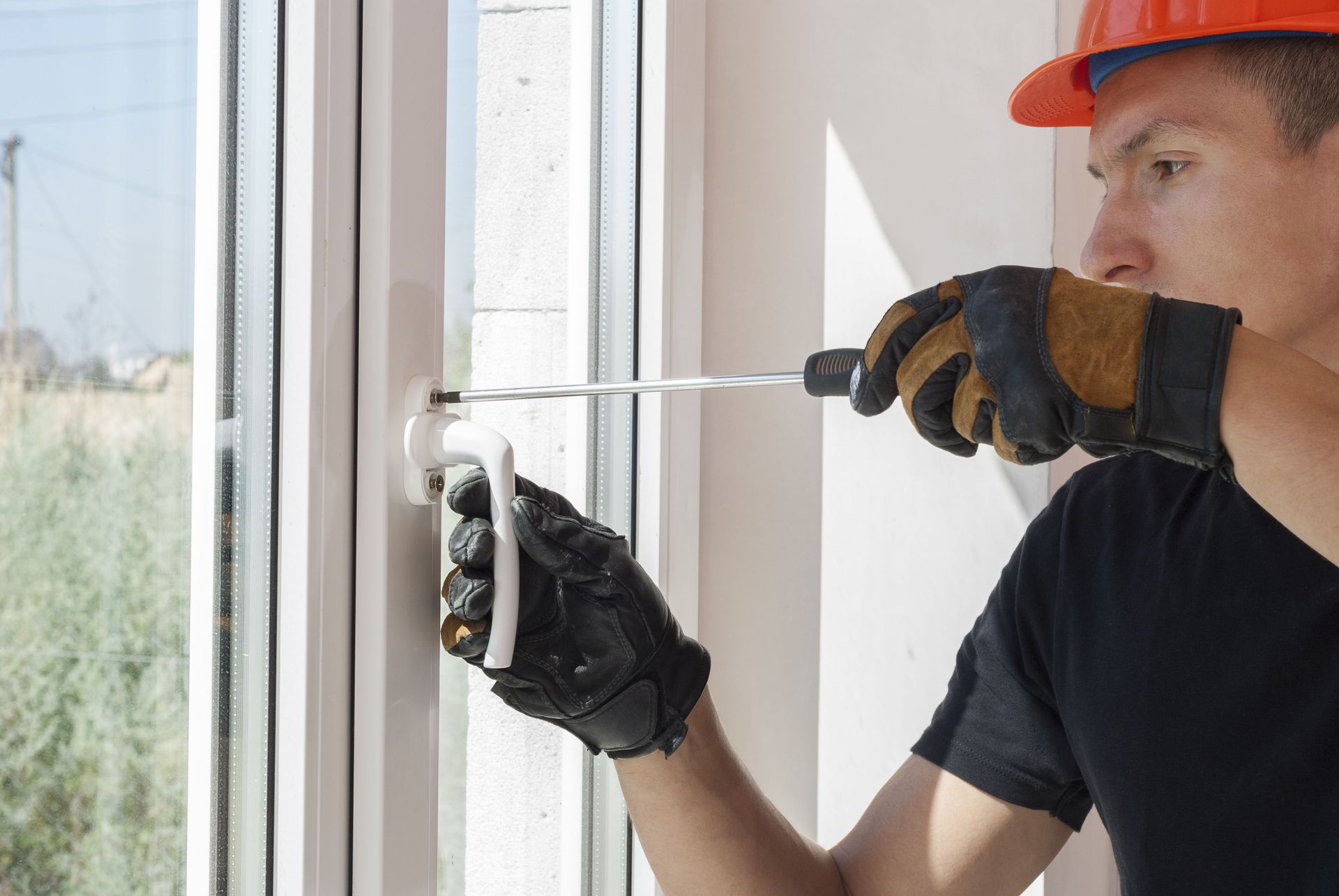
Professional window installation helps ensure that replacement products fit securely within their openings. Proper installation creates a tighter barrier between indoor and outdoor spaces, limiting the gaps through which sound can travel.
Homeowners should also consider the condition of their entryways and patio doors. Since doors can provide similar protective benefits, upgrading vulnerable openings may help create a more consistent sound barrier throughout the home.
Recognizing the Additional Benefits of Hurricane Windows
Noise reduction is only one potential advantage of upgrading a home's windows. Impact-resistant products are also designed to provide protection against severe weather conditions, making them particularly valuable in hurricane-prone areas.
According to The Associated Press, the 2024 Atlantic hurricane season was notably active, producing 11 hurricanes compared with the historical average of seven. This activity highlights why homeowners in vulnerable regions should consider the condition and performance of their existing windows.
Beyond their storm-related advantages, hurricane windows can offer several everyday benefits:
- Improved Security: Laminated glass is designed to remain bonded after breaking, making it more difficult for an opening to form immediately after impact.
- Better Energy Efficiency: Certain insulated glass configurations help reduce unwanted heat transfer, supporting more consistent indoor temperatures.
- UV Protection: Some laminated glass products help filter ultraviolet radiation, which can contribute to fading in furniture, flooring, and other interior materials.
- Greater Indoor Comfort: Reducing outdoor noise and limiting drafts can make living spaces more enjoyable year-round.
Choosing products that address multiple household concerns can make a window replacement project a worthwhile long-term improvement.
Choosing the Right Windows for Your Home
Not all windows are designed to provide the same level of hurricane protection or noise reduction. Homeowners should consider their property's location, existing window construction, exposure to traffic, and overall performance expectations before selecting replacement products. Choosing the right hurricane windows can help reduce unwanted street noise while providing additional protection against severe weather.
A professional evaluation can help identify areas where outdated windows, deteriorating seals, or poorly performing frames may be contributing to unwanted noise. It can also help determine which glass configurations and product styles are appropriate for the home's openings.
Quality Screening, Window & Door provides window and door replacement and repair services, as well as glass replacement. The company offers products designed to withstand Florida's weather conditions, including laminated and insulated glass options. Its experienced team can help homeowners evaluate their existing windows and identify suitable replacement solutions.
When comparing products, homeowners should consider the following factors:
- Glass Construction: Ask whether the product uses laminated glass, insulated glass, or a combination of both.
- Acoustic Performance: Review available sound transmission ratings to understand how effectively a particular window reduces noise.
- Frame Quality: Look for durable frames designed to provide a secure fit and reliable sealing.
- Installation Requirements: Ensure the installation process accounts for proper sealing, alignment, and weather resistance.
Taking time to compare these features can help homeowners select products that meet their needs without overlooking important performance considerations.
Creating a Quieter and More Comfortable Home
Living near a busy road does not mean homeowners must accept constant traffic noise inside their homes. Laminated glass, multiple glass layers, secure window frames, and properly installed seals can all help reduce unwanted outdoor sounds. Impact-resistant products offer these potential everyday advantages while providing an additional layer of protection against severe weather.
Investing in hurricane windows can help homeowners address several concerns at once, from storm preparedness to noise control and energy efficiency. For professional guidance on selecting replacement windows, contact Quality Screening, Window & Door to discuss your home's needs and schedule a replacement estimate.
Share On: