
How Window and Door Companies Choose the Right Materials for Your Home
Choosing the right materials for windows and doors is crucial for home efficiency, aesthetics, and durability. Many homeowners consult window and door companies to understand which options will perform best for their home. This article explores how companies decide on the best options for your home, considering various factors that impact performance, cost, and appearance. From energy efficiency to aesthetic integration, the choices made can dramatically affect the outcome of home improvement projects. Understanding these factors empowers homeowners to make informed decisions about their windows and doors. Every element, from the thermal properties of materials to their environmental impact, plays a role in shaping the final design and functionality of a house.
Understanding the Importance of Material Selection
The selection of materials for windows and doors is not merely about aesthetics; it involves a detailed consideration of energy efficiency. Materials with good thermal insulation properties help minimize energy consumption, keeping homes warmer in winter and cooler in summer. Energy-efficient windows and doors can reduce utility costs significantly, making them an essential consideration for eco-conscious homeowners. When selecting materials, it’s helpful to seek guidance from experienced window and door companies, as they can recommend options that balance energy efficiency and long-term cost savings. Additionally, choosing materials that provide excellent insulation contributes to a reduction in carbon footprint, aligning with broader environmental goals. The choice of materials, therefore, plays a critical role in promoting both cost efficiency and environmental sustainability.
Beyond energy efficiency, materials significantly impact the aesthetic and design options available for a home. Different materials offer unique textures, colors, and finishes, allowing homeowners to match their windows and doors with the architectural style of their homes. For example, wood provides a classic and warm look, while aluminum offers a sleek, modern finish. These aesthetic choices are important as they influence the overall appeal and market value of the property. A well-integrated aesthetic using carefully selected materials can transform a regular house into a visually compelling home.
Common Materials Used in Windows and Doors
Wood has been a traditional choice for window and door materials due to its classic appearance and insulating properties. It provides excellent thermal efficiency and can be easily customized to fit various design aesthetics. However, wood requires regular maintenance, such as painting or staining, to protect it from moisture damage and decay. Despite these maintenance needs, wooden windows and doors remain popular for their natural look and ability to complement traditional and modern homes alike. Their use is often dictated by budget and the willingness of homeowners to undertake ongoing care. Wood, vinyl, and aluminum are popular choices, and window and door companies often help homeowners compare these materials to determine which fits their budget and design preferences.
Vinyl, made primarily from PVC, has become a popular choice among homeowners for its affordability and low maintenance. According to Zipdo, 41% of residential window manufacturers use PVC as the primary material, with vinyl windows dominating 38% of the market. Vinyl offers good thermal insulation and is resistant to moisture, making it ideal for areas with high humidity. Moreover, it does not require painting, thereby reducing maintenance tasks and costs over its lifespan. However, vinyl may not offer the same aesthetic richness as wood, though advancements in manufacturing techniques have improved its visual appeal.
Evaluating Climate and Weather Conditions
Climate and weather conditions play a pivotal role in determining the suitable materials for windows and doors. In areas with extreme temperature fluctuations, thermal insulation becomes a key factor in material selection. Homeowners in colder climates might prioritize materials with superior insulating properties to maintain interior warmth and reduce heating costs. Similarly, in hotter regions, materials that minimize heat gain are preferred to maintain a cooler indoor environment and lessen air conditioning expenses. Understanding local climate conditions helps manufacturers and homeowners select materials that optimize energy efficiency. Local climate considerations are essential, and trusted window and door companies can advise on moisture-resistant or UV-protective materials suitable for your region.
Local weather patterns, such as humidity, precipitation, and sun exposure, also influence material choice. In regions prone to high humidity or frequent rainfall, moisture-resistant materials are essential to prevent warping or rotting. Vinyl and fiberglass are often selected in such areas due to their excellent resistance to moisture. Conversely, in areas with high sun exposure, materials that resist UV degradation, such as fiberglass, ensure longevity and sustained aesthetics. Being aware of these environmental influences enables the selection of materials that best cope with local weather challenges.
The Role of Technology in Material Selection
Technological advancements have revolutionized the materials used in windows and doors, enhancing their functionality and efficiency. Material engineering innovations have produced composites that combine the best attributes of different materials, offering superior performance. For example, composite frames can offer the insulating properties of wood with the durability of vinyl. These engineered solutions often provide a more extended lifespan, better insulation, and improved resistance to environmental damage. Embracing technological advancements allows manufacturers to offer more versatile and efficient material options for homeowners. Modern window and door companies are now offering smart-enabled frames that integrate with home automation, allowing for both convenience and energy savings.
In the era of smart technology, windows and doors that integrate with home automation systems are increasingly popular. Materials that accommodate smart technologies, such as automated shading solutions or connected security systems, are becoming more prevalent. The compatibility of materials with these systems is a consideration for homeowners looking to modernize and improve the functionality of their homes. These smart solutions not only enhance convenience but also contribute to energy savings by allowing for operational customization. The seamless integration of materials with smart technologies represents a fusion of traditional craftsmanship with modern innovation.
Customizing Material Choices for Home Aesthetics
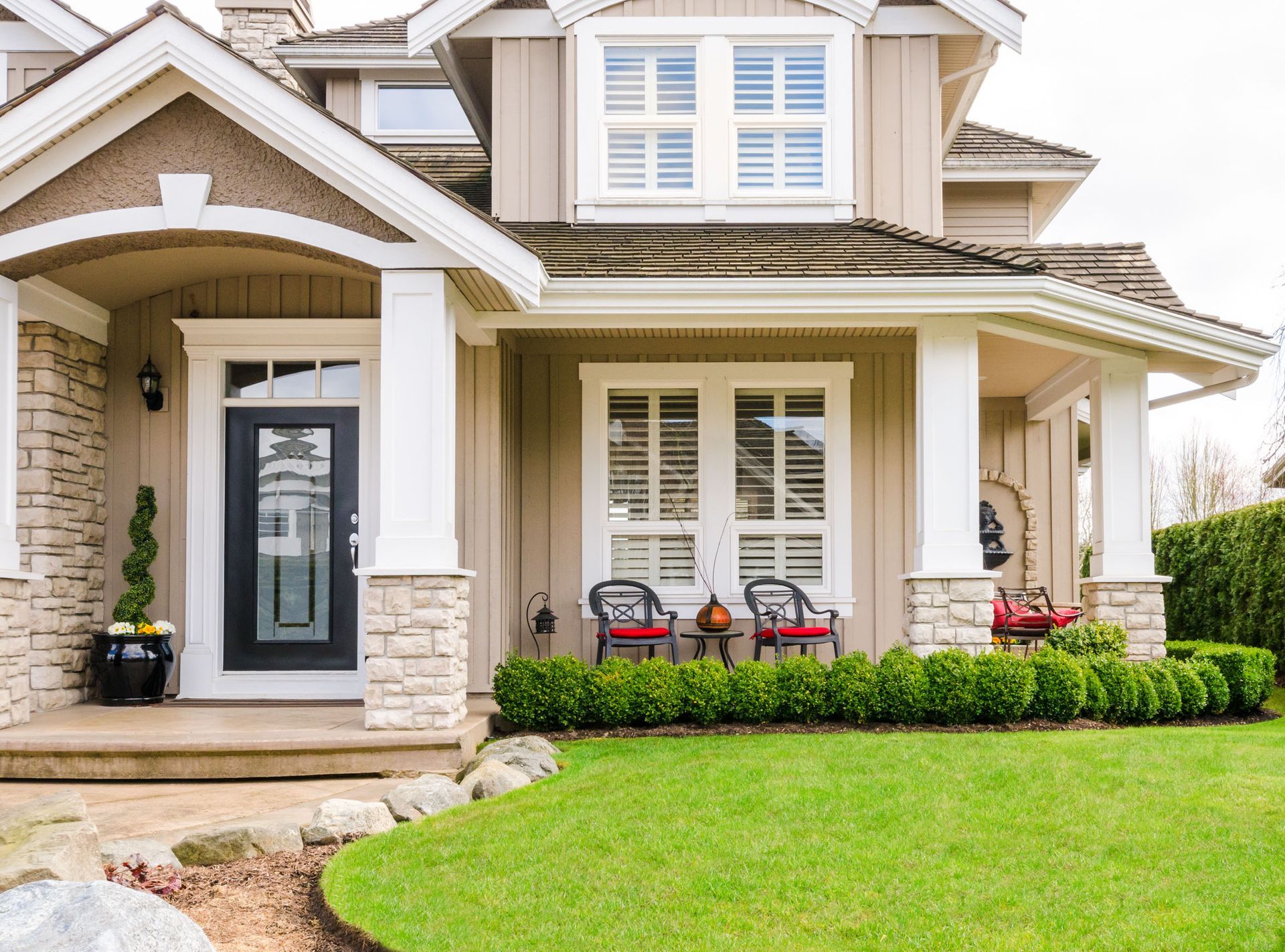
Choosing materials for windows and doors involves not only functional considerations but also the aesthetic integration with the home's architectural style. Materials must complement the existing architectural details to enhance the home's overall appearance. For instance, wood might be chosen for traditional styles, while aluminum suits a more contemporary design. The selection of materials that harmonize with the architecture increases the property's curb appeal and value. Many homeowners rely on window and door companies to select colors, finishes, and materials that complement the architectural style and overall aesthetic of their homes. Customizing material choices involves balancing aesthetic desires with practical needs, ensuring the home is both beautiful and efficient.
Color and finish options further personalize windows and doors, allowing homeowners to express their style preferences. While natural wood offers warm, earthy tones, other materials like vinyl and aluminum can be painted or coated in a variety of colors. Finishes can range from matte to glossy, each affecting the visual impact of the doors and windows. Trends in color preferences can influence these decisions, with some homeowners opting for bold hues, while others prefer neutral palettes that offer timeless appeal. Selecting the right color and finish is crucial in creating a cohesive and attractive home exterior and interior.
Selecting the right materials for windows and doors is a multifaceted process that requires considering energy efficiency, aesthetic appeal, durability, and cost. By understanding these factors and consulting with professionals, homeowners can make informed decisions that enhance both the functionality and value of their homes. Exploring material options, considering climate impacts, utilizing technological advancements, and collaborating with experts all contribute to wise material choices. Ultimately, these selections reflect personal preferences, practical needs, and the evolving trends in home design and sustainability. By partnering with reputable window and door companies, homeowners can make informed decisions that enhance comfort, efficiency, and visual appeal, ensuring their investment in windows and doors adds lasting value to their home. Book a service with Quality Screening, Window & Door today and get your windows and doors professionally evaluated.


Share On: