
Consider These 8 Things When You're Replacing Doors
Replacing doors in your home is more than a cosmetic update—it’s a decision that can affect your home’s safety, energy efficiency, and overall value. Door replacement allows homeowners to improve curb appeal, enhance security, and increase comfort, but choosing the right option requires careful consideration. From material selection to design and energy efficiency, every aspect plays a role in how a door performs and complements your home’s aesthetic. Many homeowners focus primarily on style, but practical considerations such as durability, insulation, and security features are equally important. By planning a door replacement thoughtfully, you ensure a long-lasting investment that adds both function and value to your property.
1. Choosing the Right Material
Material choice is one of the most critical decisions in any door replacement. Different materials offer varying levels of durability, energy efficiency, maintenance requirements, and aesthetic appeal. Wooden doors remain popular for their classic beauty and warm feel. They come in options such as oak, mahogany, and cherry, each providing unique textures and finishes. However, wood requires regular upkeep to prevent warping, cracking, or damage from moisture and insects. In contrast, steel doors provide high security and superior durability while requiring minimal maintenance. According to Zipdo, 67% of buyers prioritize security features over style in exterior doors, highlighting why steel is often the top choice for homeowners focused on safety. Fiberglass and composite doors combine aesthetics with practicality, offering designs that mimic wood while resisting dents, moisture, and corrosion. Aluminum doors, while lightweight and rust-resistant, offer less insulation and can feel cold in extreme temperatures. Each material has trade-offs, and selecting the right one depends on your priorities in security, maintenance, and energy efficiency.
2. Design, Style, and Functionality
Beyond materials, the design and style of your doors are central to your home’s overall look. Modern doors tend to favor minimalistic lines, glass inserts, and metal accents, making spaces feel larger and brighter. Traditional doors often include panels, moldings, or decorative carvings, adding warmth and character that complements classic architecture. Custom designs allow homeowners to create doors that fit unique spaces or personal preferences, accommodating specific sizes, materials, and finishes. Color and finish are also essential considerations, as lighter shades can make spaces feel open, while darker tones create a cozy or dramatic effect. Decorative glass panels provide elegance and light transmission, with options like frosted or stained glass that maintain privacy while adding visual interest. When planning a door replacement, it’s important to balance style with practicality—selecting designs that complement the home while providing the functionality and durability needed for everyday use.
3. Security and Technology
Security is a fundamental aspect of door replacement. Modern doors often integrate advanced lock systems, reinforced frames, and impact-resistant cores to prevent forced entry and improve overall safety. Options range from high-quality deadbolts to multi-point locking systems and smart locks that allow keyless entry via codes or smartphone apps. Reinforced strike plates, extended hinge screws, and steel framing further strengthen doors against intrusion. For external doors, features like peepholes or digital viewers enhance security by allowing homeowners to see visitors without opening the door. Impact-resistant materials also protect against severe weather, offering peace of mind in hurricane-prone or high-risk areas. Considering the Zipdo statistic about buyer preferences, incorporating strong security features during a door replacement is not just advisable—it’s often a top priority for homeowners.
4. Energy Efficiency and Insulation
Energy efficiency is another major factor to consider when replacing doors. Properly insulated doors reduce heat loss in winter and keep interiors cool during summer, helping homeowners save on energy bills. Materials such as fiberglass, composite, and steel with insulated cores often outperform traditional wood in maintaining stable indoor temperatures. Weather stripping, door sweeps, and effective sealing at thresholds prevent drafts and moisture intrusion, enhancing insulation performance. Doors with energy-efficient glass, such as double or triple glazing with low-emissivity coatings, allow natural light while minimizing heat transfer. Additionally, evaluating a door’s energy rating, including U-factor and air leakage measurements, provides guidance for selecting the most efficient option. A door replacement focused on energy efficiency not only saves money over time but also improves comfort and reduces environmental impact.
5. Costs, Maintenance, and Long-Term Value
The cost of door replacement extends beyond the initial purchase price. Material choice, design complexity, and professional installation all influence total expenses. Wood doors may carry a higher upfront cost due to craftsmanship, while steel and fiberglass options can be more affordable initially. Installation by experienced professionals ensures proper fit, functionality, and adherence to warranties, which can prevent costly problems later. Maintenance costs also vary by material: wood requires regular sealing or varnishing, while steel and fiberglass are relatively low-maintenance. Long-term value should be considered as well; high-quality doors can increase curb appeal, improve security, and contribute to home resale value. Evaluating both immediate and future costs ensures that your door replacement is a smart investment for years to come.
6. Accessibility and Practical Features
When planning a door replacement, accessibility and everyday usability are essential considerations. Door width and height must accommodate household members, including those using mobility aids. ADA-compliant handles, lever-style hardware, and smooth-operating hinges improve functionality for all users. Threshold design also affects both accessibility and energy efficiency, with low or ramped thresholds reducing trip hazards while preventing air leaks. Automatic doors or sensor-based options offer convenience for those who prefer hands-free operation, especially in larger homes or high-traffic areas. Considering these practical aspects ensures that your new doors meet functional needs as well as aesthetic goals.
7. Choosing a Contractor and Installation Tips
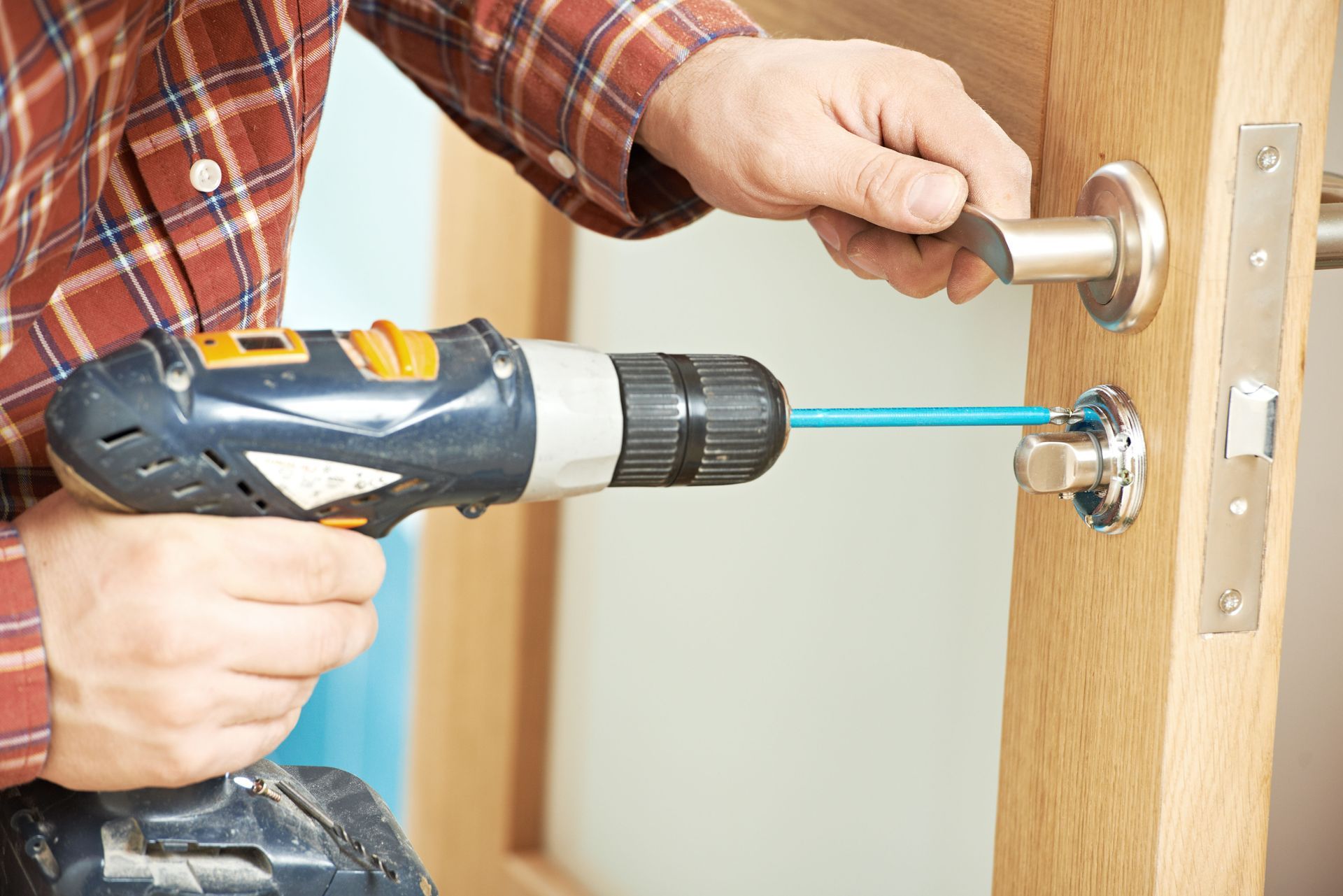
Selecting the right professional to perform a door replacement can make a significant difference in the outcome. Experienced contractors ensure accurate measurements, proper fit, and smooth operation while following manufacturer guidelines for installation. Improper installation can lead to drafts, security vulnerabilities, and door misalignment, reducing both performance and lifespan. When hiring a contractor, request references, check reviews, and verify licensing and insurance. Discuss timelines, costs, and warranty coverage before starting the project. Working with a qualified contractor not only guarantees quality installation but also ensures that your door replacement maximizes energy efficiency, security, and overall value.
8. Trends and Innovations in Door Replacement
The door replacement industry continues to evolve with new trends and technologies. Energy-efficient designs with improved insulation and Low-E glass are becoming standard. Smart locks, biometric access, and remote monitoring offer homeowners modern convenience while enhancing security. Eco-friendly materials, such as recycled composites or sustainably sourced wood, are increasingly popular among environmentally conscious homeowners. Customizable finishes and modular designs allow for greater personalization while keeping costs manageable. Staying informed about these innovations can help homeowners make a door replacement choice that is both stylish and forward-thinking, blending contemporary aesthetics with practical functionality.
A thoughtful door replacement balances style, functionality, security, and energy efficiency. Selecting the right material, design, and security features will enhance your home’s curb appeal and long-term value. Incorporating energy-efficient insulation, durable materials, and smart technology ensures comfort, safety, and cost savings. According to Zipdo, 67% of buyers prioritize security features over style in exterior doors, underscoring the importance of safety when choosing replacement doors. By focusing on your home’s specific needs and long-term goals, you can select doors that elevate both the aesthetic and practical aspects of your property. For professional guidance and high-quality options, contact Quality Screening, Window & Door for your next door replacement project.
Share On: