
Transform Your Outdoor Space With a Stylish Glass Enclosure
Explore the art of enhancing outdoor spaces with elegant and functional glass enclosures. This article will guide you through the process, benefits, and design considerations to create a seamless blend between your home and the natural outdoors. The concept of a glass enclosure is to bring the outside in while maintaining the comfort of an indoor setting. By incorporating such structures, homeowners can enjoy increased natural light and panoramic views of their gardens or landscapes. Whether you're looking to boost your property's value or simply create a personal sanctuary, a glass enclosure offers a unique, transformative solution.
Understanding Glass Enclosures
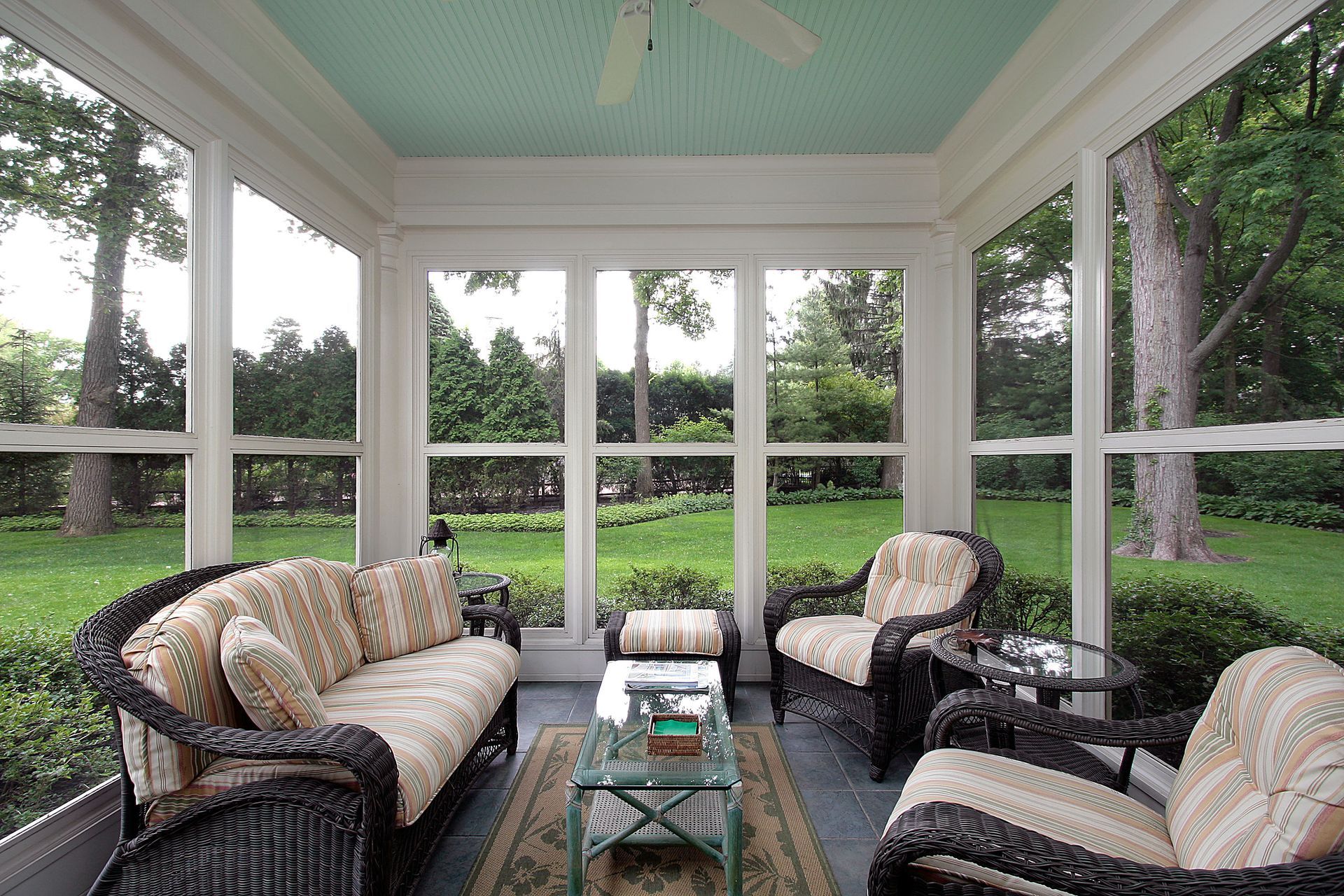
Glass enclosures are versatile architectural elements that typically include structures such as sunrooms, conservatories, and patio covers. These enclosures are designed to maximize natural light and often employ vast expanses of glass, with sunrooms typically featuring about 40% of their walls covered in windows (according to HomeAdvisor). Sunrooms are often simple, providing a versatile space for relaxation or entertainment. Conservatories, on the other hand, can serve as sophisticated extensions of living areas, often used for growing plants or as stylish dining areas. Patio covers offer more protection from the elements while allowing outdoor enjoyment.
The evolution of glass enclosures dates back to the early 16th century, when they were primarily used in England for growing citrus fruits in a protective environment. Over time, these structures have evolved significantly, becoming architectural wonders that seamlessly integrate with modern homes. The advancement in glass technology and construction methods has allowed for more creativity in shape and function, making them more popular in various climates. Initially, glass enclosures were symbols of luxury and only affordable to the elite. Today, however, they are more accessible, serving a variety of purposes beyond gardening, from leisure to home expansions.
Glass enclosures are built using various materials, with advances in glass technology making them safer and more efficient. Tempered glass is commonly used for its strength and resistance to breakage. Laminated glass provides safety by holding together when shattered, making it an essential component in weather-prone areas. Additionally, frames are typically crafted from materials like aluminum or vinyl, chosen for durability and low maintenance. Modern glass technologies include features like energy-efficient coatings to reflect heat and reduce glare, promoting both comfort and sustainability.
The benefits of glass enclosures extend beyond aesthetics, as they offer multifaceted advantages for homeowners. One of the primary benefits is an increase in natural light, which can enhance mood and reduce electricity costs. Glass enclosures also boost energy efficiency; they act as thermal buffers, helping to regulate indoor temperatures. Additionally, they can significantly increase property value while providing additional living space for family gatherings and personal activities. Overall, glass enclosures create a unique living experience by combining the beauty of the outdoors with the comfort of indoor settings.
Designing Your Glass Enclosure
Effective space planning is essential when designing a glass enclosure to ensure it meets your needs and preferences. Start by considering the intended purpose of the enclosure, as this will dictate the size and layout. For instance, sunrooms require about 40% of their walls to be windows, which means planning for optimal sunlight angles and privacy. Ensure there is sufficient space to accommodate furniture and flow, creating a harmonious balance between usability and aesthetics. It is also advisable to work with a design professional who can offer insights into maximizing the potential of your chosen space.
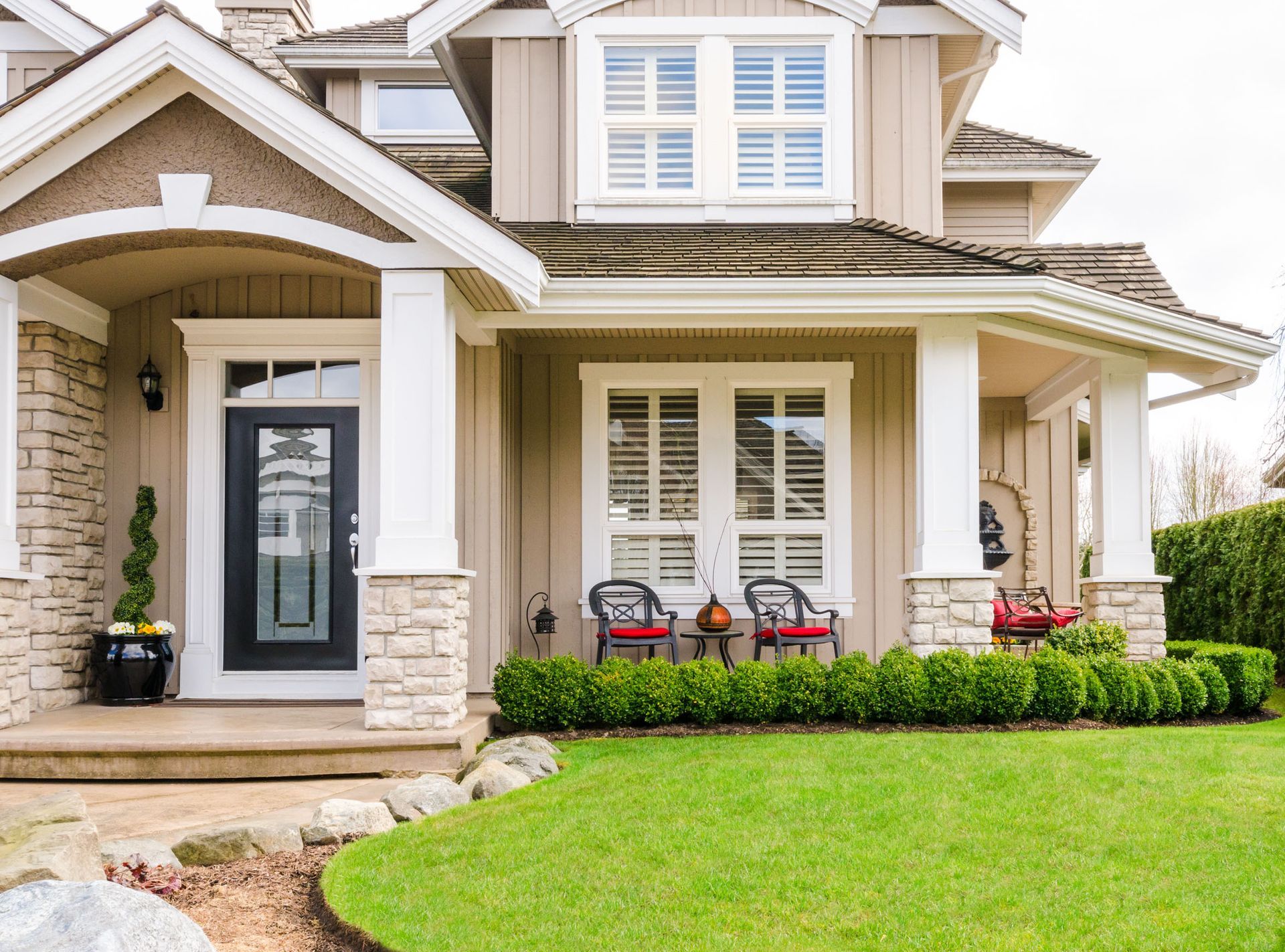
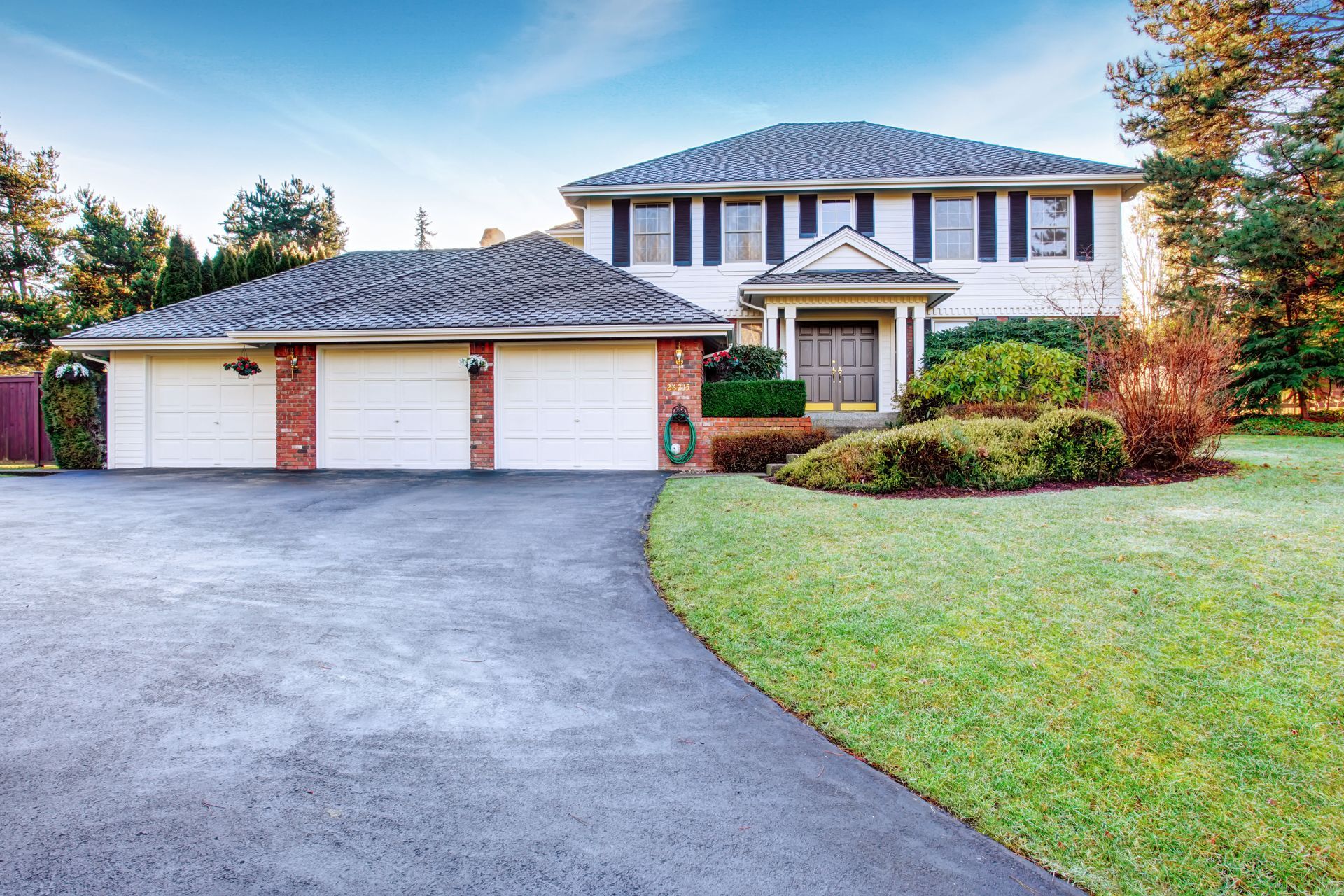
Seamlessly integrating a glass enclosure with existing structures enhances the overall appearance and functionality of your home. Careful consideration should be given to architectural style, rooflines, and material compatibility to maintain consistent aesthetics. The use of complementary materials and colors can help the glass structure blend smoothly with your current home design. Additionally, aligning the enclosure with existing access points, such as doors or patio spaces, enhances convenience and usability. Working with experienced architects or designers ensures a well-integrated and visually appealing outcome.
Selecting the right type of glass is crucial for both the functionality and safety of your enclosure. Consider the local climate; for hot regions, heat-reflective or tinted glass can reduce heat gain, while insulated glass offers thermal efficiency in colder climates. The strength of the glass is also important, especially if the structure is exposed to harsh weather conditions, making tempered or laminated glass an ideal choice. Clarity offers custom UV coatings to protect furniture and inhabitants from harmful rays. By aligning the glass choice with your specific needs, you can create a comfortable and sustainable environment.
Recognizing the Construction Process
Successful pre-construction planning sets the foundation for a smooth construction process. Begin by consulting with architects and designers to finalize the design and acquire necessary permits and approvals. Establish a realistic budget that accounts for both materials and labor, including potential contingencies. Consider logistical aspects such as construction timelines, site preparation, and potential disruptions. Having a clear, detailed plan in place reduces unforeseen challenges and ensures a streamlined approach to construction.
Hiring the right professionals is essential to achieving the desired outcome for your glass enclosure project. Start by researching and selecting a reputable contractor with experience in building similar structures. It's critical to review their portfolio, verify credentials, and check references to ensure they meet industry standards. Expect professionals to provide detailed proposals outlining costs, timelines, and materials. Open communication is key throughout the project, allowing for adjustments and ensuring alignment with your vision. Collaborating with skilled professionals ensures high-quality craftsmanship and successful project completion.
Understanding the construction timeline provides a realistic expectation of the project's progress and completion date. The timeline varies based on the complexity of the design, materials, and site conditions, but typically ranges from several weeks to a few months. Initial preparation includes site clearing and foundation work, followed by the erection of the structure and installation of glass panels. Regular communication with the contractor helps identify potential delays and allows for proactive management. By maintaining a flexible yet informed perspective, homeowners can successfully navigate the construction process.
Decorating Your Enclosure
Choosing the right furniture for your glass enclosure enhances its functionality and comfort. Opt for versatile pieces that serve multiple purposes, such as expandable tables or modular seating arrangements. Weather-resistant materials like wicker or aluminum provide durability for enclosures exposed to the elements. Incorporating comfortable cushions and throws adds a cozy touch while fostering relaxation. Thoughtful furniture selection creates a welcoming and practical environment for socializing, working, or simply enjoying the view.
Effective lighting solutions transform a glass enclosure into a versatile and inviting space, regardless of the time of day. Consider a mix of ambient, task, and accent lighting to cater to various needs and moods. String lights, chandeliers, or pendant lamps enhance the ambiance and provide ample illumination after sunset. Installing dimmers allows you to adjust light intensity, ensuring comfort and energy efficiency. With the right lighting design, your enclosure becomes a seamless extension of your living space, usable throughout the day and night.
Seasonal decorations bring a fresh and dynamic touch to your glass enclosure, aligning it with the changing seasons. During spring and summer, feature bright, vibrant textiles and floral arrangements that reflect the lively outdoor atmosphere. In autumn and winter, introduce warm colors, cozy blankets, and seasonal accents like pumpkins or, during holidays, festive decor. Changing decorations not only keeps the space looking fresh but also harmonizes with the natural surroundings. Thoughtfully curated seasonal elements enhance the enclosure's charm and visual appeal.
Summarize the transformative potential of adding a glass enclosure to your outdoor space, emphasizing the blend of aesthetics and practicality it offers. Encourage readers to explore this investment in enhancing both their home's value and their quality of living. Glass enclosures stand as testaments to architectural innovation and personal expression, seamlessly integrating indoor comfort with natural beauty. By considering the multitude of design, construction, and functional factors outlined, homeowners can embark on a rewarding journey to elevate their living spaces. Ultimately, investing in a stylish
glass enclosure promises not only enhanced property value but also an enriched, fulfilling lifestyle. Contact Quality Screening, Window & Door today for more information.

Share On: