
Choosing Hurricane Doors That Complement Your Home
Homeowners in storm-prone regions face a familiar dilemma: how do you protect your home from severe weather without sacrificing the curb appeal you've worked hard to achieve? Hurricane doors have come a long way from the bulky, utilitarian barriers of decades past. Today's options blend serious storm resistance with design flexibility, meaning you no longer have to choose between safety and style. Whether you're replacing a damaged entryway or upgrading before the next storm season, understanding how to select the right doors for your home's architecture, materials, and performance needs will make the investment pay off for years to come.
This guide walks through the key considerations for choosing hurricane doors that hold up structurally while still looking like they belong on your home. From matching design elements to understanding impact ratings, each decision plays a role in the final result.
Understanding the Role of Hurricane Doors in Home Protection
Before diving into style choices, it helps to understand what hurricane doors actually do. These doors are engineered to withstand high wind pressures and resist impact from wind-borne debris, which is one of the leading causes of structural failure during storms. Once a door fails, wind can enter the home and create pressure that compromises the roof and walls, turning a single point of weakness into a much larger problem.
The demand for this kind of protection has grown substantially. According to The Business Research Company, the hurricane protection products market was worth $2.02 billion in 2025, reflecting how many homeowners now view storm-rated doors and windows as essential rather than optional. This growth has also pushed manufacturers to offer more design variety, so protection no longer means settling for a generic look.
Matching Hurricane Doors to Your Home's Architectural Style
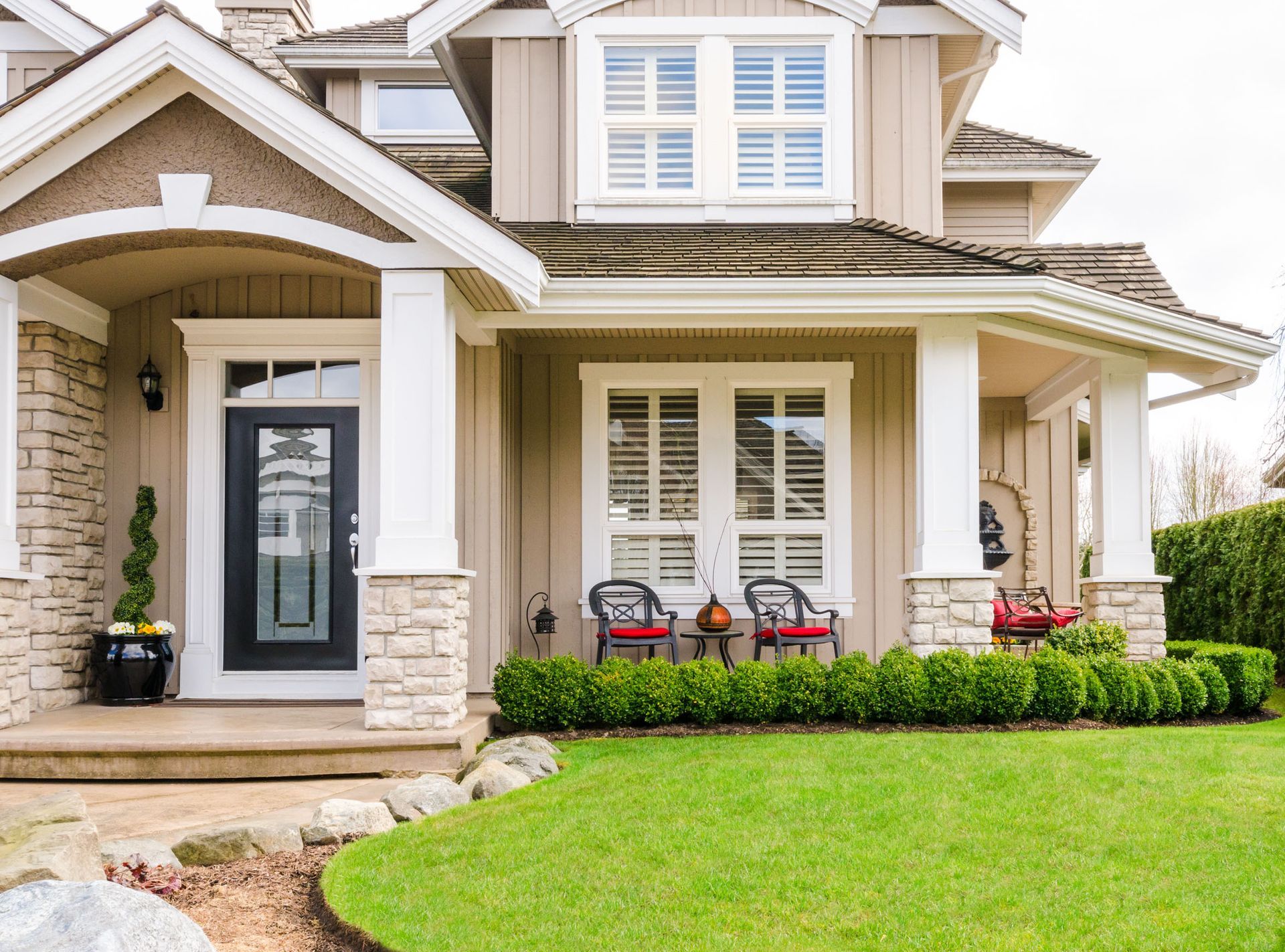
Every home has a design language, whether it's the clean lines of a modern build, the ornate detailing of a Mediterranean-style house, or the classic symmetry of a colonial. Hurricane doors are now manufactured in a wide enough range of profiles, panel configurations, and glass options that matching this language is entirely achievable.
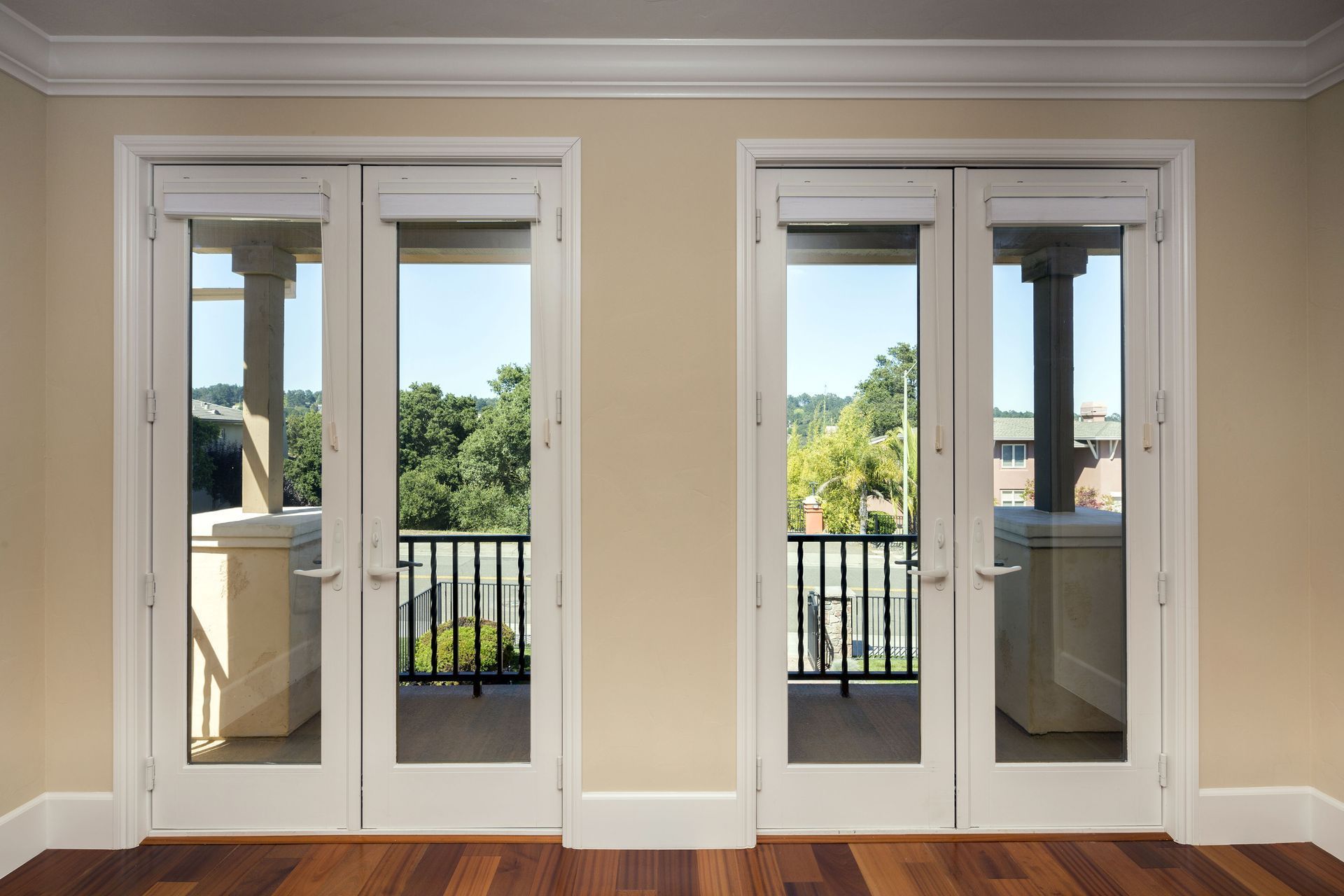
For traditional homes, raised-panel designs with decorative hardware can preserve a timeless look while still meeting impact standards. Modern homes often benefit from sleek, minimalist frames with large glass panels that maintain clean sightlines. Coastal and Mediterranean-style properties frequently pair well with arched or French-style hurricane doors, which offer a more elegant presence at the entry. The goal is to select a door that feels like a natural extension of the home's existing character rather than an obvious retrofit.
Selecting Materials and Finishes for Hurricane Doors
Material choice affects both the performance and appearance of hurricane doors, so it's worth understanding the main options. Fiberglass doors are prized for their durability and ability to mimic the look of natural wood grain, making them a popular choice for homeowners who want warmth without the maintenance demands of real wood. Steel doors offer excellent strength-to-cost value and are often chosen for their clean, contemporary appearance. Aluminum-framed glass doors are common in coastal and modern homes because they combine a lightweight structure with high visual transparency.
Finishes matter just as much as the base material. Powder-coated finishes resist salt air corrosion, which is particularly important in coastal climates, while paint-grade fiberglass allows for custom color matching to your home's existing trim. When comparing finishes, ask about warranty coverage for fading and corrosion, since these doors are a long-term investment exposed to harsh conditions.
Balancing Aesthetics and Storm Protection Ratings
It's tempting to prioritize appearance first and performance second, but hurricane doors need to meet specific building code requirements based on your location's wind zone. Impact ratings, typically measured through large missile impact testing, determine how well a door withstands debris strikes during high winds. Homes in higher-risk coastal zones generally require doors with more stringent ratings than those further inland.
The good news is that meeting these ratings doesn't require sacrificing design. Laminated glass, for example, can be manufactured with decorative grille patterns, tinting, or textured finishes while still meeting large missile impact standards. Door manufacturers understand that homeowners want both protection and visual appeal, so most product lines now offer certified options across multiple design tiers. When comparing hurricane doors, always confirm the specific wind zone and pressure rating required for your address rather than assuming a general product will suffice.
Considering Glass Options and Natural Light in Hurricane Doors
Many homeowners hesitate to invest in hurricane doors out of concern that impact-rated glass will feel heavy or reduce natural light. In reality, advancements in laminated glass technology have made it possible to maintain bright, open entryways while still meeting strict protection standards. Multi-lite designs, sidelights, and transom windows can all be manufactured with impact-rated glass, allowing more light into entry spaces without compromising safety.
Tinting and low-E coatings add another layer of customization, helping manage heat gain and UV exposure while preserving the aesthetic you want. For homes that rely on their entryway as a focal point, these glass options make it possible to keep that visual impact intact even after upgrading to storm-rated protection.
Coordinating Hardware and Color for a Cohesive Look
The details often make the biggest difference in how well hurricane doors blend with the rest of a home's exterior. Hardware finishes, such as matte black, brushed nickel, or oil-rubbed bronze, should generally match or complement other exterior fixtures like light fixtures and house numbers. Color coordination matters too; many manufacturers now offer custom color matching services so the door's frame and panel can align precisely with existing trim, shutters, or siding.
Small design choices, like decorative glass inserts or panel styling, can also help a hurricane door feel intentional rather than purely functional. Taking time to coordinate these elements ensures the finished product looks like a deliberate design choice rather than a compromise made for storm protection.
Partnering With Professionals for Installation and Design
Even the best-designed hurricane doors will underperform if they aren't installed correctly. Proper installation involves precise measurements, correct anchoring methods, and attention to the surrounding wall structure, all of which affect how well the door performs under pressure. Working with experienced professionals ensures the installation meets local building codes and manufacturer specifications, both of which are often required for insurance discounts and warranty validity.
Professionals can also help homeowners navigate the wide range of style, material, and rating combinations available, narrowing down choices based on what will genuinely suit the home's architecture and location. This guidance is particularly valuable given how many variables go into selecting the right product, from wind zone requirements to finish durability in coastal air. An experienced team can help translate design preferences into a door that performs as well as it looks.
Choosing hurricane doors that complement your home doesn't have to mean choosing between protection and style. With the range of materials, finishes, and design options available today, it's entirely possible to find doors that meet strict wind and impact standards while still reflecting your home's architectural character. The key is approaching the decision with both performance and aesthetics in mind, and understanding how each choice, from glass type to hardware finish, contributes to the final result.
If you're ready to explore hurricane doors that are built to perform and designed to match your home, we'd love to help. At Quality Screening, Window & Door, we work with homeowners to find storm-rated doors that meet code requirements without compromising on style. Reach out to us today to schedule a consultation and see what's possible for your entryway.

Share On: