
5 Hidden Costs of Delaying Window Replacement
Learn about the often-overlooked expenses associated with putting off window replacement and why timely action can be more cost-effective. Deferred window replacement might first appear as a way to save money, but delaying can accumulate hidden costs over time. From the strain on energy systems to undermining home security, the repercussions are manifold. Ignoring window wear can lead to a cascade of repairs and complications affecting several facets of homeownership. This article unpacks each aspect to reveal why addressing window issues earlier rather than later is a practical choice.
1. Increased Energy Bills
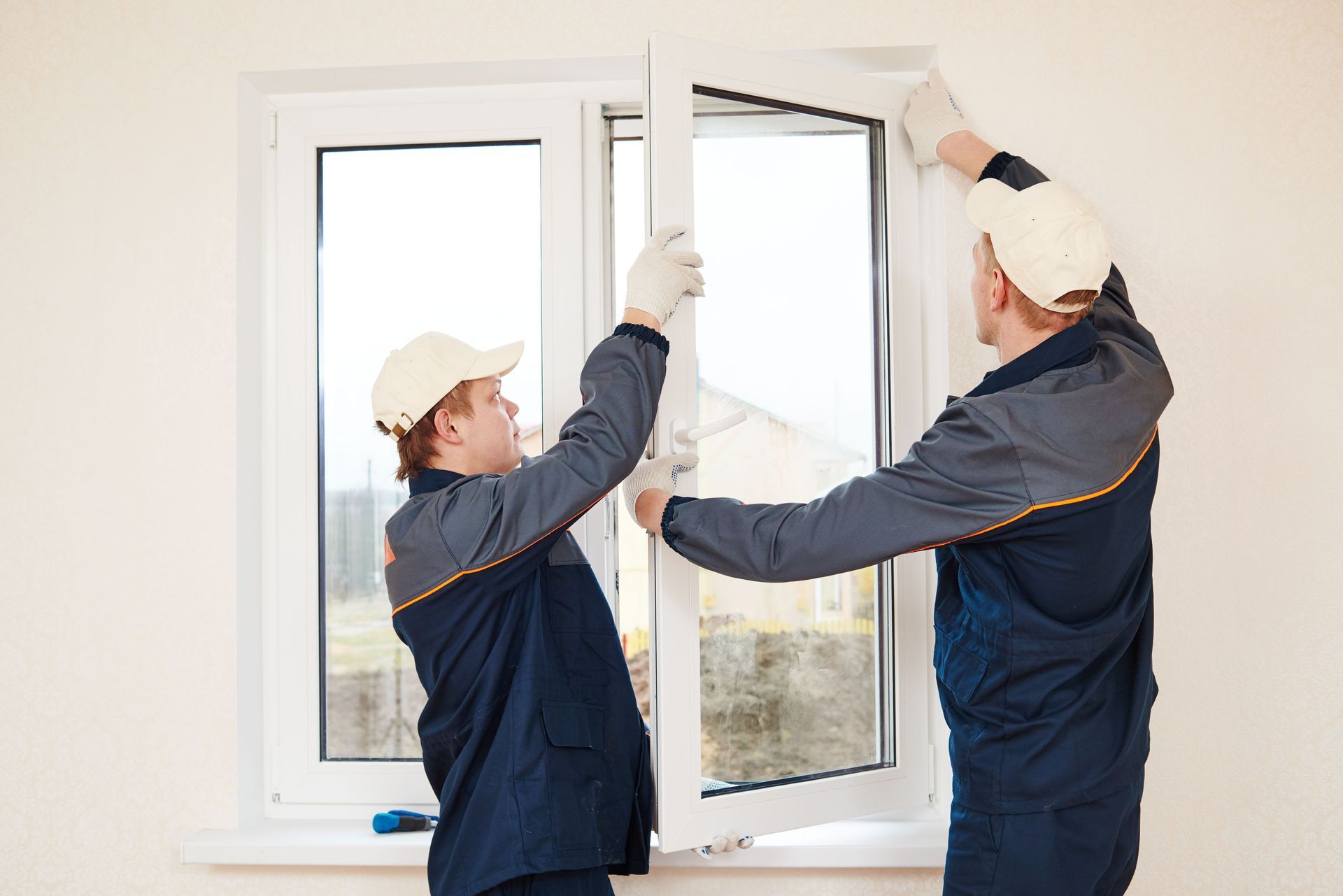
Old windows with outdated insulation can drastically hike up energy costs. Over time, as the insulating properties of the window degrade, homeowners face inefficient thermal regulation. The result is often a noticeable spike in heating during the colder months and air conditioning costs during the summer. This inefficiency not only raises bills but also puts additional stress on the HVAC system. According to Fixr, new windows can last between 10 and more than 60 years, with an average lifespan of 15 to 30 years, depending mainly on the frame material, thus making timely replacement sound long-term, energy-efficient.
Beyond insulation issues, air leakages through gaps in window frames contribute to increased energy consumption. Such leaks allow conditioned air to escape, requiring systems to work harder to maintain desired indoor climates. This constant cycling not only elevates utility bills but also wears out HVAC systems prematurely. Repairing or mitigating these leaks is often more costly and complex than window replacement itself. Investing in quality windows minimizes these leakages, promoting a sustainable energy environment within the home.
Inefficient glass poses additional cost burdens. Single-pane or outdated double-pane windows lose heat rapidly, undermining indoor climate control. The temporary fixes, such as window films or heavy drapes, offer minimal relief and often further add to expenses. Transitioning to modern windows with low-E coatings can dramatically improve thermal performance and comfort levels. Thus, investing in high-quality glass ultimately pays for itself by significantly cutting down on heating and cooling costs.
2. Home Security Risks
Compromised window locks pose serious security threats that homeowners often overlook. Older windows, more prone to wear and tear, may no longer adequately lock or seal, inviting home intrusions. Reinforcing locks is a temporary solution; it might not address underlying structural vulnerabilities. While the initial cost of replacement may seem high, investing in newer, secure locking mechanisms integrated into modern windows reduces long-term security risks. This proactive measure often results in peace of mind and protection against potential break-ins.
Weak frame structures resulting from aging window systems can also be a liability. Over time, materials such as wood can rot or warp, while metals might corrode, significantly weakening the window's integrity. This deterioration makes it easier for enterprising intruders to force a window open. Moreover, the deteriorating structure can contribute to broader property damage during extreme weather events. Addressing frail frames with robust materials like vinyl or composite frames can shield against such vulnerabilities.
Older windows also contribute to reduced privacy and more accessible break-ins. Thinner glass and flimsy frames are less effective at muffling sounds and deterring prying eyes. This compromises occupants' sense of safety and privacy within their homes, making them targets for theft. Beyond immediate security concerns, inadequate privacy levels can lower the quality of life due to increased noise pollution. Window upgrades with appropriate glazing and frame strength can counter these concerns effectively.
3. Increased Maintenance Costs
Frequent repairs are a common outcome of delaying window replacement. As windows age, their operational parts, such as sashes, seals, and frames, face exacerbated wear. The costs of constant repairs accumulate over time, often surpassing the expense of new installations. Regular attention to fixing drafts, resealing old caulking, or replacing broken panes becomes cumbersome and costly. Proactive replacement mitigates these persistent maintenance needs, optimizing both time and expense.
When windows aren't replaced promptly, they become more susceptible to weather damage, which subsequently demands mitigation. Weatherproofing products and temporary storm windows can offer short-term relief but add to expenses over time. Damaged windows are particularly vulnerable in extreme weather conditions, leading to more significant issues like interior water damage. Replacement windows, fitted with resilient materials and designs, help withstand harsh environmental conditions, eliminating the cost of unforeseen repairs.
Another hidden cost includes regular cleaning and upkeep of outdated windows. Older windows often demand more intensive cleaning due to their fragility and propensity to gather dirt and debris. This requires more resources and effort compared to newer, low-maintenance models. The additional upkeep not just burdens time and resources but can also reveal structural issues, leading to further costly repairs. Modern windows generally come with easy-clean features, reducing labor and associated costs.
4. Loss of Property Value
Window conditions heavily influence a home's curb appeal. Outdated or damaged windows can diminish the overall aesthetic of a property, turning away potential buyers. An unappealing exterior can also downgrade neighborhood appeal, indirectly affecting property values. Freshening up a home with new windows refreshes its appeal, potentially attracting more interest and justifying higher asking prices. Focusing on curb appeal is a crucial strategy in maintaining and enhancing property value.
Aging windows can negatively impact property appraisals. Appraisers often assess the state of windows as part of their criteria for property value. Damaged or inefficient windows suggest a broader range of maintenance issues, potentially reducing market value and lending potential. On the contrary, contemporary efficient windows can add value to the property by meeting energy efficiency and aesthetic standards that are increasingly emphasized. Thus, window replacement is often a wise financial move to safeguard property value.
For sellers, delaying window replacement can translate to reduced buyer interest and longer market exposure. Homes with outdated windows may struggle to attract offers or negotiate favorable prices due to perceived future costs by potential buyers. Compliance with building standards, too, can be an issue with older models. Modern windows that conform to current energy efficiency and safety standards make a property more appealing, ensuring a quicker sale. This investment can facilitate smoother transactions and achieve desired real estate goals.
5. Decreased Comfort Levels
Temperature extremes become more pronounced in homes with outdated windows. Poor insulation leads to uneven heating and cooling across different spaces, creating hot and cold spots that impact comfort levels. This inconsistency manifests in high utility usage and discomfort, especially during peak weather conditions. New windows designed for better thermal efficiency help maintain consistent indoor temperatures. This comfort-enhancing upgrade makes the interior environment more pleasant year-round.
Noise pollution is another issue exacerbated by aged windows. Thinner panes and older sealing techniques are less capable of blocking external noises. This infiltration impacts peace and privacy, especially in urban or high-traffic environments. Upgrading to double or triple-glazed windows significantly reduces sound transfer, improving the tranquility of indoor spaces. Thus, replacing windows presents an effective solution for enhancing acoustic comfort.
Homes with old windows are also prone to greater exposure to harmful UV radiation and poor air quality issues. Older glass technology fails to adequately block UV rays, leading to potential skin damage and fading of interior furnishings. Correspondingly, windows that do not seal properly can allow outdoor pollutants to enter. Enhanced UV filters and precise sealing on modern windows mitigate these problems, providing healthier indoor environments. Addressing these factors supports both occupant well-being and preserved interior aesthetics.
Synthesizing the hidden costs associated with delaying window replacement highlights the financial, security, comfort, and environmental incentives to act sooner rather than later. From preventing escalating energy bills to safeguarding property value, the benefits of timely action are compelling. The future-proofing of one's home through window upgrades advances not just personal savings and comfort but also aligns with growing environmental consciousness. Investing in
window replacement offers a strategic approach to optimizing homeownership. It encourages a forward-thinking mindset that ensures lasting value and improved quality of life. Contact Quality Screening, Window Door today.
Share On: